

seedandplant
Swiss Chard Red- Open Pollination Seeds
Swiss Chard Red- Open Pollination Seeds
Couldn't load pickup availability
Seed quantity- 110+
Swiss Chard Red – Open Pollination Seeds | Grow Colourful Swiss Chard at Home
Swiss Chard Red Open Pollination Seeds – Colourful, Nutritious Leafy Vegetable for Home & Kitchen Gardens
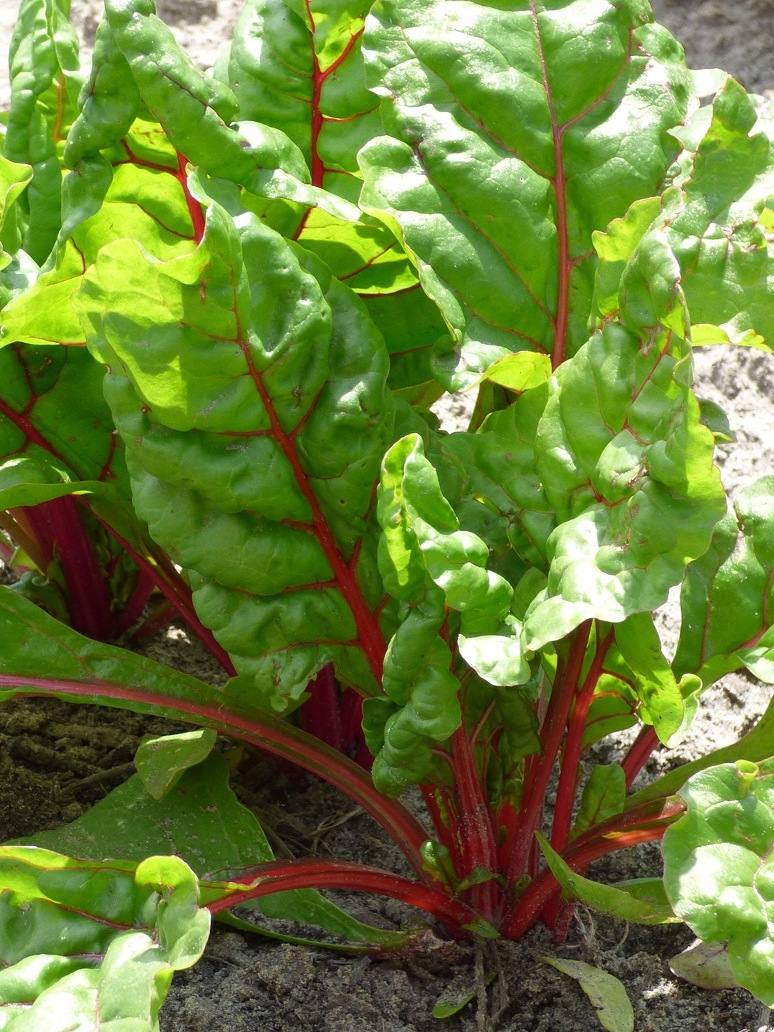
- Swiss Chard Red Open Pollination Seeds are an excellent choice for gardeners who want to grow a colourful, nutritious, and productive leafy vegetable at home. This attractive leafy green is known for its deep green leaves and striking red to crimson-coloured stems and veins, making it both a useful vegetable and a beautiful addition to the garden.
- Swiss chard is a versatile crop that can be grown in kitchen gardens, terrace gardens, balcony gardens, raised beds, pots, containers, and grow bags. It is especially useful for gardeners who want a leafy vegetable that can provide repeated harvests instead of requiring the entire plant to be harvested at once.
- The tender leaves and colourful stems can be used in salads, stir-fries, soups, curries, sautéed vegetable dishes, wraps, omelettes, and many other recipes. Regular harvesting of the outer leaves can encourage the plant to continue producing fresh leaves.
- These are open-pollinated seeds, making them a suitable option for gardeners interested in maintaining a vegetable garden from season to season and saving seeds from healthy plants. With proper isolation from compatible flowering varieties, mature plants can produce seeds for future sowing.
- Swiss chard generally prefers cool to mild growing conditions, although it can tolerate a wider range of temperatures than some other leafy vegetables. In India, the best sowing period varies according to the local climate, but the cooler months are generally easier for producing tender, high-quality leaves.
- If you are looking for Swiss Chard Red seeds online in India, Red Swiss Chard seeds for home gardening, or colourful leafy vegetable seeds for pots and terrace gardens, this variety is an excellent addition to your vegetable seed collection.
Why Choose Swiss Chard Red Open Pollination Seeds?
- Swiss Chard Red is popular among home gardeners because it combines attractive appearance with practical harvesting and versatile culinary uses.
Beautiful Red Stems and Veins
- The vibrant red stems and veins contrast beautifully with the green foliage, giving the plant an attractive appearance in vegetable beds, containers, and balcony gardens.
Productive Leafy Vegetable
- Instead of harvesting the entire plant immediately, gardeners can pick mature outer leaves while allowing the centre of the plant to continue producing new growth.
Suitable for Home Gardening
Swiss chard grows well in:
- Kitchen gardens
- Terrace gardens
- Balcony gardens
- Raised beds
- Pots
- Grow bags
- Backyard vegetable gardens
- Urban gardens
Open-Pollinated Variety
- Open-pollinated plants can produce seeds that may be saved for future cultivation when the plants are allowed to flower and suitable pollination management is followed.
Attractive Addition to Vegetable Gardens
- The red stems make Swiss Chard Red especially useful for gardeners who want vegetables that are both edible and ornamental.
Versatile in the Kitchen
- The leaves and tender stems can be cooked in many different ways, making it a practical leafy vegetable for regular home use.
Best Time to Sow Swiss Chard Red Seeds in India
Swiss chard grows particularly well during cool and mild weather. However, the ideal sowing period depends on your region.
| Region | Recommended Sowing Period |
|---|---|
| North India | September–February |
| Central India | October–February |
| East India | October–February |
| West India | September–February |
| South India | October–February |
| Hill Regions | March–September, depending on altitude |
- In areas with mild winters, Swiss chard can often be grown for a longer period.
- During very hot weather, plants may experience heat stress and may flower earlier than desired. Providing some afternoon protection during warmer periods can help maintain better leaf quality.
Different Names of Swiss Chard
Swiss chard is known by several names, particularly in gardening catalogues and international markets.
- English: Swiss Chard
- Red Swiss Chard
- Swiss Chard Red
- Chard
- Leaf Beet
- Silverbeet
- Rainbow Chard when sold as a multi-colour mix
- Beet Greens or Leaf Beet in some gardening contexts
Nutritional Benefits of Swiss Chard
Swiss chard is a nutrient-rich leafy vegetable that can be included as part of a balanced diet.
It provides nutrients such as:
- Vitamin K
- Vitamin A-related carotenoids
- Vitamin C
- Folate
- Magnesium
- Potassium
- Iron
- Dietary fibre
- Various plant compounds and antioxidants
- The nutritional value can vary depending on plant maturity, growing conditions, preparation, and serving size.
- Including a variety of leafy vegetables such as Swiss chard in a balanced diet is an easy way to add more vegetables and nutrients to everyday meals.
Popular Uses of Swiss Chard Red in the Kitchen
Swiss Chard Red is a versatile leafy vegetable and can be prepared in many ways.
The leaves and tender stems can be used for:
- Stir-fries
- Soups
- Vegetable curries
- Sautéed greens
- Salads
- Wraps
- Omelettes
- Pasta dishes
- Rice dishes
- Noodles
- Stuffed dishes
- Mixed vegetable recipes
- Smoothies, where suitable
The stems are also edible and can be cooked along with the leaves.
Where Can You Grow Swiss Chard Red?
One of the advantages of Swiss chard is its adaptability to different garden spaces.
You can grow it in:
- Home vegetable gardens
- Kitchen gardens
- Balcony gardens
- Terrace gardens
- Rooftop gardens
- Raised beds
- Pots
- Grow bags
- Backyard gardens
Its upright growth habit makes it particularly convenient for gardeners with limited space.
How to Grow Swiss Chard Red from Seeds
- Growing Swiss Chard Red from seed is relatively straightforward. Good soil preparation, correct sowing depth, regular moisture, and suitable temperatures are the keys to successful establishment.
Step 1: Select the Growing Location for Red Swiss Chard Seeds
- Choose a location that receives approximately 4–6 hours of sunlight.
- In cooler weather, Swiss chard can benefit from more sunlight. During hot weather, some afternoon shade can help reduce heat stress.
Step 2: Prepare the Soil for Sowing Leaf Beet Seeds
- Use loose, fertile, well-drained soil containing plenty of organic matter.
- Remove weeds, stones, and large debris before sowing.
Step 3: Sow the Seeds of Swiss Chard
- Sow Swiss Chard Red seeds approximately 1–2 cm deep.
- Cover the seeds lightly with fine soil and avoid compacting the soil heavily over them.
Step 4: Water Gently
- Water immediately after sowing using a gentle spray.
- Keep the soil consistently moist until germination.
Step 5: Thin the Seedlings
- Once seedlings become established, thin crowded plants to provide enough space for healthy leaf development.
How Long Do Swiss Chard Red Seeds Take to Germinate?
- Under suitable conditions, Swiss Chard Red seeds generally germinate in approximately 7–14 days.
Germination may vary depending on:
- Temperature
- Seed quality
- Seed age
- Soil moisture
- Sowing depth
- Growing medium
- Keeping the soil evenly moist and avoiding extreme temperatures can improve germination.
Best Soil for Growing Swiss Chard Red
- Swiss chard grows best in fertile, loose, well-drained soil rich in organic matter.
For containers, a useful growing mix can include:
- 40% good-quality garden soil
- 30% compost or vermicompost
- 20% cocopeat
- 10% coarse sand or another drainage-improving material
- The soil should retain enough moisture for healthy leaf growth while allowing excess water to drain away.
Ideal Soil pH for Swiss Chard
- Swiss chard generally performs well in soil with a pH of approximately 6.0–7.5.
- A slightly acidic to neutral soil allows the roots to access nutrients effectively.
- Good drainage is important because prolonged waterlogging can damage the root system.
How Much Sunlight Does Swiss Chard Red Need?
- Swiss Chard Red generally performs well with around 4–6 hours of sunlight each day.
- During cooler weather, plants can tolerate more sunlight. In hot regions, providing some afternoon shade can help reduce heat stress and maintain tender leaves.
- For Indian home gardens, a location with morning sunlight and some protection from intense afternoon heat can be particularly useful during warmer months.
Water Requirement for Swiss Chard Red
- Swiss chard prefers consistently moist soil, especially while young plants are becoming established.
- Water when the upper layer of soil begins to dry.
Important watering tips:
- Keep the soil evenly moist.
- Avoid allowing the soil to become completely dry.
- Do not overwater.
- Ensure containers have drainage holes.
- Water more frequently during hot and dry weather.
- Water at the base of the plant where practical.
- Irregular watering can stress the plants and may result in smaller or tougher leaves.
Best Pot Size for Growing Swiss Chard Red
- Swiss chard can grow successfully in containers.
- For individual plants, a container around 8–12 inches deep is suitable when it provides enough width for root development.
- For multiple plants, use a larger rectangular planter or grow bag and maintain adequate spacing.
- A larger container also provides more soil volume, which helps maintain moisture and nutrient availability.
Swiss Chard Red Plant Spacing
- Proper spacing allows leaves to develop properly and improves air circulation.
For mature plants, maintain approximately:
- 20–30 cm plant-to-plant spacing
- 30–45 cm row spacing
Spacing can be adjusted depending on whether you want baby leaves or larger mature plants.
How to Fertilize Swiss Chard Red Plants
- Swiss chard is a leafy vegetable and benefits from fertile soil.
- Before sowing, mix well-decomposed compost or vermicompost into the growing area.
During growth:
- Apply compost around established plants.
- Use a balanced vegetable fertilizer when necessary.
- Avoid excessive fertilizer application.
- Follow the label instructions when using commercial fertilizers.
- Keep fertilizer away from direct contact with the plant stem.
- A healthy soil structure and consistent organic matter are often more important than excessive feeding.
How to Grow Swiss Chard Red Faster and Healthier
For healthy and productive Swiss Chard Red plants:
- Sow during cool or mild weather.
- Use fertile, well-drained soil.
- Maintain consistent moisture.
- Provide adequate sunlight.
- Avoid excessive heat whenever possible.
- Maintain proper spacing.
- Remove weeds regularly.
- Inspect plants for pests.
- Harvest mature outer leaves regularly.
- Feed plants when soil fertility becomes low.
When to Harvest Swiss Chard Red?
- Swiss chard can be harvested at different stages depending on how you want to use it.
Baby Leaf Harvest
- Young leaves can be harvested while they are small, tender, and suitable for salads or quick cooking.
Mature Leaf Harvest
- Larger leaves and tender stems can be harvested once the plant has developed enough foliage.
- Swiss chard can often begin producing harvestable leaves approximately 45–60 days after sowing, although timing varies with climate, variety, and growing conditions.
How to Harvest Swiss Chard Red for Continuous Growth
- Swiss chard is particularly useful because you do not necessarily have to harvest the entire plant at once.
Leaf-by-Leaf Harvesting
- Remove the larger outer leaves first while leaving the young central leaves intact.
- This allows the plant to continue producing new leaves.
- Use a clean knife or garden scissors to cut the leaves close to the base.
- Regular harvesting can provide a continuing supply of fresh leaves during the productive period.
Can Swiss Chard Red Be Grown Throughout the Year?
- Swiss chard has a relatively broad growing range compared with some cool-season leafy vegetables, but its performance depends strongly on local temperatures.
It generally grows best during cool to mild weather.
In very hot Indian summers, plants may:
- Grow more slowly
- Develop tougher leaves
- Experience heat stress
- Produce flowers earlier
- Require additional watering
In warm areas, partial afternoon shade and consistent soil moisture can help extend the harvesting period.
What Is Bolting in Swiss Chard?
- Bolting occurs when a leafy vegetable begins producing a flower stalk.
- Swiss chard can bolt when plants become mature or are exposed to prolonged heat and other environmental stress.
- Once a plant begins flowering heavily, leaf quality may change.
- To encourage tender leafy growth, harvest regularly and grow plants during suitable temperatures.
Common Pests That Affect Swiss Chard Red
Swiss chard can be affected by several common garden pests.
These may include:
- Aphids
- Leaf miners
- Caterpillars
- Flea beetles
- Whiteflies
- Slugs and snails
- Regularly inspect both the upper and lower surfaces of leaves.
- Early detection makes pest management much easier.
Common Diseases of Swiss Chard
Some problems that may affect Swiss chard include:
- Damping-off
- Leaf spots
- Downy mildew
- Powdery mildew
- Root problems caused by excessive moisture
How to Reduce Disease Problems
- Use well-drained soil.
- Avoid excessive watering.
- Maintain adequate plant spacing.
- Provide good air circulation.
- Remove badly affected leaves.
- Avoid planting repeatedly in the same soil without crop rotation.
How to Protect Swiss Chard Red from Leaf Miners
Leaf miners create winding or irregular tunnels inside leaves.
To reduce damage:
- Inspect leaves regularly.
- Remove badly affected leaves.
- Keep the garden clean.
- Use insect netting where practical.
- Encourage beneficial insects.
- Avoid unnecessary pesticide applications.
For edible crops, always follow the label instructions and harvest intervals of any pest-control product used.
Can Swiss Chard Red Be Grown Organically?
Yes. Swiss Chard Red can be grown using organic gardening methods.
A home gardener can focus on:
- Compost
- Vermicompost
- Healthy soil
- Mulching
- Crop rotation
- Physical pest barriers
- Hand removal of insects
- Encouraging beneficial insects
- Good soil management and regular plant inspection are important parts of organic vegetable gardening.
Can Swiss Chard Red Be Grown in Pots?
Yes. Swiss chard is an excellent choice for container vegetable gardening.
A suitable pot should have:
- Adequate depth
- Drainage holes
- Fertile potting soil
- Enough width for the plant
- Good exposure to sunlight
- Avoid placing too many plants in a single small container because overcrowding can reduce leaf size and increase competition for nutrients.
Can Swiss Chard Red Be Grown on a Balcony?
- Yes. Swiss Chard Red is well suited to balcony gardening.
- Choose a sunny balcony and use pots or rectangular planters with adequate drainage.
- During hot weather, protect the plants from excessive afternoon heat if possible.
Can Swiss Chard Red Be Grown on a Terrace?
- Yes. Swiss chard is a convenient terrace garden vegetable because it grows upright and does not require a climbing support system.
- Several containers can provide a regular supply of fresh leaves for household cooking.
Tips for Growing Swiss Chard Red in Pots
For successful container cultivation:
- Choose a pot at least 8–12 inches deep.
- Use fertile, well-drained soil.
- Do not overcrowd the plants.
- Keep the soil consistently moist.
- Provide 4–6 hours of sunlight.
- Add compost periodically.
- Monitor for leaf miners and caterpillars.
- Harvest outer leaves regularly.
Why Are My Swiss Chard Red Leaves Turning Yellow?
Yellowing leaves can have several causes.
Possible reasons include:
- Overwatering
- Poor drainage
- Nutrient deficiency
- Natural ageing of older leaves
- Heat stress
- Root damage
Check the soil moisture and make sure the container drains freely.
If the entire plant is pale and growth is weak, soil fertility may also need attention.
Why Is My Swiss Chard Red Growing Slowly?
Slow growth may occur because of:
- Poor soil fertility
- Excessive heat
- Insufficient sunlight
- Irregular watering
- Crowded plants
- Pest damage
- Poor drainage
Growing during a suitable season and maintaining fertile, moist soil can significantly improve plant growth.
Why Are Holes Appearing on Swiss Chard Red Leaves?
- Holes are usually caused by chewing insects such as caterpillars or flea beetles.
- Inspect the underside of leaves for insects and eggs.
- Remove visible pests manually and consider using fine insect netting to protect young plantsx
Why Are My Swiss Chard Red Leaves Wilting?
Wilting may be caused by:
- Dry soil
- Excessive heat
- Root damage
- Overwatering
- Poor drainage
- Pest infestation
Check the soil before watering. If the soil is already wet but the plant continues to wilt, inspect the roots and stems for possible problems.
Can You Save Seeds from Swiss Chard Red Open Pollinated Plants?
- Yes. Because this is an open-pollinated variety, gardeners can save seeds from healthy plants.
To collect seeds:
- Select a strong, healthy plant.
- Allow it to mature and produce flowers.
- Let the flower stalks develop seeds.
- Allow the seed clusters to dry.
- Collect the mature seeds.
- Dry them thoroughly before storage.
- Store them in a cool, dry, airtight container.
- Label the container with the variety and collection year.
Swiss chard can cross with related plants, so gardeners interested in maintaining varietal purity should take appropriate measures to reduce unwanted cross-pollination.
Frequently Asked Questions About Swiss Chard Red Open Pollination Seeds
1. What is Swiss Chard Red?
- Swiss Chard Red is a colourful leafy vegetable with green leaves and distinctive red or crimson stems and veins. It is grown for its edible leaves and tender stems.
2. What is the best time to grow Swiss Chard Red in India?
- The best time is generally during the cool and mild months, especially from September to February in many parts of India. Local climate should be considered when selecting the exact sowing date.
3. How long do Swiss Chard Red seeds take to germinate?
- Under suitable conditions, Swiss Chard Red seeds generally germinate within approximately 7–14 days.
4. How long does Swiss Chard Red take to harvest?
- Young leaves can be harvested relatively early, while mature leaves generally take around 45–60 days, depending on growing conditions.
5. Can I grow Swiss Chard Red in pots?
- Yes. Swiss chard is very suitable for growing in pots, containers, and grow bags.
6. What is the best pot size for Swiss Chard Red?
- A container around 8–12 inches deep is a good starting point for growing individual plants, provided it has adequate width and drainage.
7. How much sunlight does Swiss Chard Red need?
- Swiss chard generally performs well with approximately 4–6 hours of sunlight daily. Some afternoon shade can be beneficial in very hot weather.
8. How often should I water Swiss Chard Red?
- Water when the upper soil begins to dry. Keep the soil consistently moist but avoid waterlogging.
9. What type of soil is best for Swiss Chard Red?
- Use fertile, loose, well-drained soil rich in organic matter, with a pH of approximately 6.0–7.5.
10. Can beginners grow Red Swiss Chard?
- Yes. Swiss chard is a relatively easy leafy vegetable for beginners, especially when grown during cool or mild weather.
11. Can Swiss Chard Red be grown on a terrace?
- Yes. It is an excellent option for terrace vegetable gardening and can be grown in large pots and grow bags.
12. Can Swiss Chard Red be grown on a balcony?
- Yes. A sunny balcony with suitable containers can provide a good growing environment for Swiss Chard Red.
13. Can I harvest Swiss Chard Red more than once?
- Yes. Harvest the larger outer leaves while leaving the central young leaves intact. This allows the plant to continue producing fresh foliage.
14. Are Swiss Chard Red stems edible?
- Yes. The tender stems are edible and can be cooked along with the leaves.
15. Why are my Swiss Chard Red leaves turning yellow?
- Yellow leaves can result from overwatering, poor drainage, nutrient problems, heat stress, root damage, or natural ageing.
16. Why are holes appearing in my Swiss Chard leaves?
- Chewing insects such as caterpillars and flea beetles commonly cause holes in leafy vegetables. Inspect the leaves regularly.
17. Can Swiss Chard Red be grown in Indian summer?
- It can survive in some warmer conditions, but very high temperatures can reduce leaf quality and encourage flowering. Cool or mild weather is generally easier for cultivation.
18. Can I save seeds from Swiss Chard Red?
- Yes. As an open-pollinated variety, mature seeds can be collected from healthy flowering plants and stored for future sowing.
19. Is Swiss Chard Red suitable for kitchen gardens?
- Yes. Its attractive appearance, compact growth, repeated harvesting, and culinary versatility make it an excellent kitchen-garden vegetable.
20. Is Swiss Chard Red suitable for terrace gardening?
- Yes. It is particularly convenient for terrace gardeners because it grows upright and does not need a trellis.
21. What fertilizer is best for Swiss Chard Red?
- Compost and vermicompost are excellent options for home gardens. A balanced vegetable fertilizer can also be used according to its label directions.
22. How can I get bigger Swiss Chard Red leaves?
- Provide fertile soil, adequate sunlight, consistent moisture, sufficient spacing, and appropriate nutrition. Regular harvesting also encourages continued production.
23. Can Swiss Chard Red be grown organically?
- Yes. Compost, healthy soil, mulching, crop rotation, physical pest barriers, and manual pest removal can all be incorporated into an organic gardening approach.
24. Why should I buy Swiss Chard Red Open Pollination Seeds?
- Swiss Chard Red combines attractive red stems, nutritious edible leaves, repeated harvesting, and easy container cultivation. Its open-pollinated nature is also useful for gardeners interested in saving seeds.
Swiss Chard Red Growing Guide at a Glance
| Growing Requirement | Recommended Condition |
|---|---|
| Crop Type | Leafy vegetable |
| Seed Type | Open Pollinated |
| Best Season | Cool to mild season |
| Germination | Approximately 7–14 days |
| First Harvest | Approximately 45–60 days |
| Sunlight | About 4–6 hours |
| Soil pH | Approximately 6.0–7.5 |
| Sowing Depth | 1–2 cm |
| Plant Spacing | Approximately 20–30 cm |
| Pot Depth | 8–12 inches or more |
| Watering | Keep soil consistently moist |
| Growth Habit | Upright leafy plant |
| Harvest Method | Outer leaves or whole plant |
| Suitable For | Pots, grow bags, beds, terraces & kitchen gardens |
Final Thoughts on Swiss Chard Red Open Pollination Seeds
- If you are looking for Swiss Chard Red Open Pollination Seeds for home gardening, this colourful leafy vegetable is an excellent choice. Its striking red stems, green foliage, repeated harvesting potential, and versatility in the kitchen make it a useful addition to both vegetable gardens and container gardens.
- Swiss Chard Red is especially suitable for gardeners who want to grow nutritious leafy vegetables in pots, grow bags, balconies, terraces, and kitchen gardens. With fertile soil, regular watering, adequate sunlight, and protection from extreme heat, you can enjoy fresh leaves throughout the productive growing period.
- For the best results, sow the seeds during cool or mild weather, prepare the soil with plenty of organic matter, maintain consistent moisture, and harvest the outer leaves regularly.
Buy Swiss Chard Red Open Pollination Seeds Online
- Choose Swiss Chard Red Open Pollination Seeds for your next gardening project and enjoy growing colourful, fresh leafy greens in your own home garden.
- Perfect for: Home Gardening | Kitchen Gardening | Terrace Gardening | Balcony Gardening | Grow Bags | Vegetable Gardens | Winter Gardening | Container Gardening
Share
GENERAL INFORMATIONS
Common Questions
Country of origin ?
India
What is the Shipping Cost ?
Your products are shipped based on option selected at the time of Checkout.
1. India Post Shipping = ₹49/-
2. Private Courier Shipping =₹69/-