

seedandplant
Purslane Shag-Noni Saag -Open Pollination Seeds
Purslane Shag-Noni Saag -Open Pollination Seeds
Couldn't load pickup availability
Pack will contain- 800+ Seeds
Purslane Shag-Noni Saag – Open Pollination Seeds | Grow Nutritious Leafy Greens at Home
Purslane Shag-Noni Saag Open Pollination Seeds – Easy-to-Grow Leafy Green for Indian Home Gardens
- Buy Purslane Shag-Noni Saag Open Pollination Seeds Online from seedandplant as it is perfect for Home Gardening , Purslane seeds for Kitchen Gardening, purslane seeds for Terrace Gardening , Purslane seeds for Balcony Gardening , growing purslane im Grow Bags | Leafy Vegetable Garden | Warm-Season Gardening | Indian Vegetable Garden
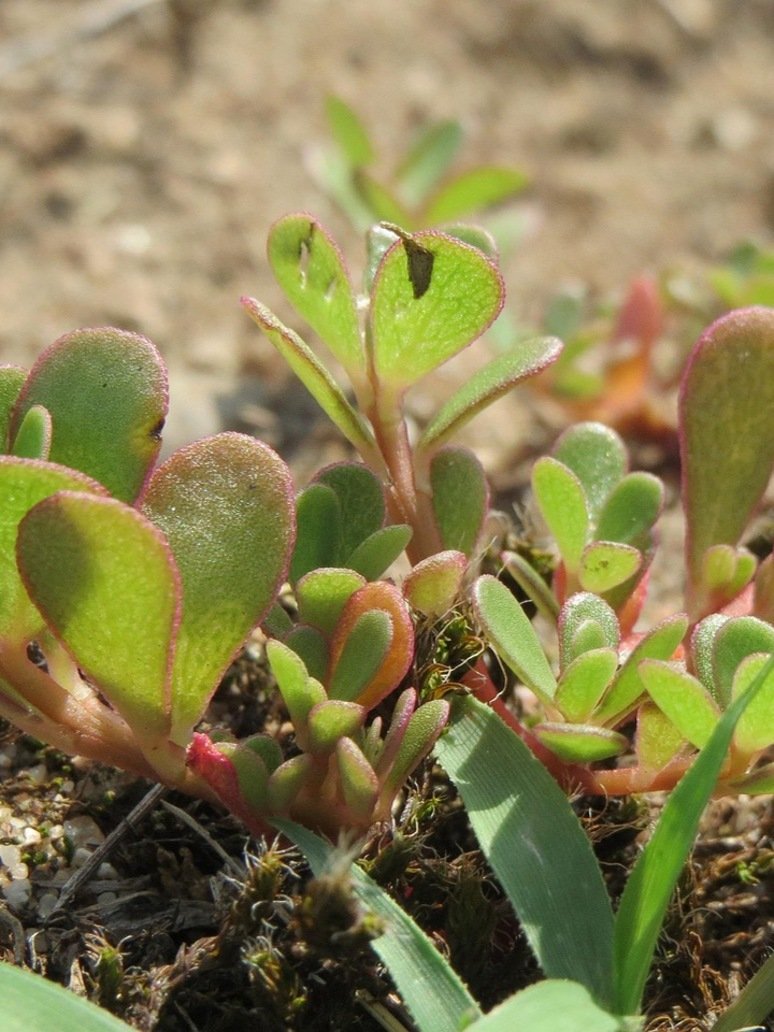
- Purslane Shag-Noni Saag Open Pollination Seeds are a great choice for gardeners who want to grow a nutritious, hardy, and easy-to-maintain leafy vegetable at home. Purslane is known for its succulent green leaves, tender stems, slightly tangy flavour, and spreading growth habit.
- Purslane leaves and tender stems can be used in Indian saag, curries, stir-fries, dals, soups, salads, chutneys, and other traditional recipes. In different parts of India, purslane is known by various regional names, including Kulfa, Kulfa Saag, Nonia Saag, and other local names.
- These are open-pollinated seeds, making them useful for gardeners who are interested in growing the crop from seed and potentially saving seeds from mature, healthy plants for future cultivation.
- If you are looking for Purslane Shag-Noni Saag seeds online in India, Kulfa Saag seeds for home gardening, Nonia Saag seeds, or open-pollinated purslane seeds, this leafy vegetable can be an excellent addition to your garden.
Why Choose Purslane Shag-Noni Saag Open Pollination Seeds?
- Purslane is popular among home gardeners because it is hardy, fast-growing, and suitable for warm conditions.
Hardy and Easy to Grow
- Purslane can establish quickly under suitable warm conditions and generally does not require complicated gardening techniques.
Nutritious Leafy Vegetable
- Purslane is a leafy vegetable that can add variety to a balanced diet and is known for containing nutrients and plant compounds such as omega-3 fatty acids, vitamins, minerals, and antioxidants.
Suitable for Indian Climate
- Purslane generally performs well in warm conditions, making it suitable for many parts of India during the appropriate growing season.
Suitable for Containers
It can be grown in:
- Pots
- Grow bags
- Balcony planters
- Terrace gardens
- Raised beds
- Kitchen gardens
- Backyard gardens
Multiple Culinary Uses
- Tender leaves and stems can be cooked as saag, added to curries, dals, soups, stir-fries, and salads.
Open-Pollinated Seeds
- Open-pollinated plants can produce seeds that gardeners may collect and use for future cultivation when mature seeds are properly harvested and stored.
Best Time to Sow Purslane Shag-Noni Saag Seeds in India
- Purslane is a warm-season leafy vegetable and generally performs well when temperatures are warm.
The ideal sowing period depends on your local climate.
Region - Recommended Sowing Period
- North India - March–September
- Central India - February–October
- East India - March–October
- West India - February–October
- South India - Almost year-round in suitable warm conditions
- Hill Regions - April–August, depending on altitude
- In northern and eastern parts of India, spring through monsoon can be suitable for growing purslane.
- Avoid sowing during periods of severe cold because purslane prefers warm conditions for active growth.
Different Names of Purslane Shag-Noni Saag
Purslane is known by several names in India and around the world.
- English: Purslane
- Hindi: कुलफा / कुलफा साग
- Hindi: नोनिया साग
- Bengali: নুনিয়া শাক
- Marathi: घोळ
- Gujarati: લૂણિયા
- Telugu: పప్పు కూర
- Kannada: ದೊಡ್ಡ ಸೊಪ್ಪು
- Tamil: பருப்புக் கீரை
- Scientific name: Portulaca oleracea
Local names can vary considerably from one region to another.
- For online searches, useful keywords include Purslane Seeds, Kulfa Saag Seeds, Nonia Saag Seeds, Kulfa Seeds, Purslane Open Pollination Seeds, and Purslane Seeds Online India.
Nutritional Benefits of Purslane
- Purslane is a nutrient-rich edible leafy plant that can be included as part of a varied and balanced diet.
It naturally contains nutrients and plant compounds including:
- Vitamin A-related carotenoids
- Vitamin C
- Vitamin E
- Magnesium
- Potassium
- Calcium
- Iron
- Dietary fibre
- Omega-3 fatty acids, particularly alpha-linolenic acid
- Antioxidant compounds
- The actual nutritional content depends on growing conditions, plant maturity, preparation, and serving size.
Popular Uses of Purslane Shag-Noni Saag in the Kitchen
- Purslane has a slightly tangy and refreshing flavour and can be used in many recipes.
Tender leaves and stems can be used for:
- Kulfa saag
- Nonia saag
- Vegetable curries
- Dal
- Stir-fried vegetables
- Soups
- Salads
- Chutneys
- Raita
- Mixed vegetable dishes
- Lentil preparations
- Traditional Indian recipes
- Pickles
- Young and tender portions are generally preferred for cooking.
Where Can You Grow Purslane Shag-Noni Saag?
Purslane is suitable for different types of home gardens.
You can grow it in:
- Kitchen gardens
- Backyard gardens
- Terrace gardens
- Balcony gardens
- Pots
- Grow bags
- Raised beds
- Vegetable patches
- Urban gardens
- Because purslane has a spreading growth habit, give it enough horizontal space when growing it in containers.
How to Grow Purslane Shag-Noni Saag from Seeds
- Growing purslane from seed is relatively simple when temperatures are warm.
Step 1: Select a Sunny Location
- Choose a location receiving approximately 5–8 hours of sunlight.
- Purslane can tolerate warm and sunny conditions very well.
Step 2: Prepare the Soil
- Use loose, well-drained soil containing some organic matter.
- Avoid heavy soil that remains continuously wet.
Step 3: Sow the Seeds
- Purslane seeds are very small, so avoid sowing them too deeply.
- Scatter the seeds over prepared soil and press them lightly into the surface.
- A very thin covering of fine soil can be used if necessary.
Step 4: Water Gently
- Use a fine spray or gentle watering method so that the tiny seeds are not washed away.
- Keep the soil lightly moist during germination.
Step 5: Thin Crowded Seedlings
- Once seedlings become established, thin overcrowded areas so the plants have enough room to develop.
How Long Do Purslane Shag-Noni Saag Seeds Take to Germinate?
- Under suitable warm and moist conditions, purslane seeds generally germinate in approximately 5–14 days.
Germination can vary depending on:
- Temperature
- Seed quality
- Soil moisture
- Seed age
- Sowing depth
- Growing medium
- Because the seeds are very small, sowing them too deeply can reduce germination.
Best Soil for Growing Purslane Shag-Noni Saag
- Purslane is adaptable and can grow in a range of soils, but well-drained, moderately fertile soil is preferred for healthy leafy growth.
For containers, you can use a mixture such as:
- 40% garden soil
- 30% compost or vermicompost
- 20% cocopeat
- 10% coarse sand or another drainage material
- Purslane does not require extremely rich soil. Excessively fertile soil, especially with too much nitrogen, is not necessary for successful growth.
Ideal Soil pH for Purslane
- Purslane can tolerate a fairly broad soil pH range and generally grows well in soil around 5.5–7.5.
- Good drainage is more important than maintaining a very precise pH in most home-garden situations.
How Much Sunlight Does Purslane Need
- Purslane generally performs best with 5–8 hours of sunlight per day.
- More sunlight usually supports vigorous growth and healthy foliage.
- In extremely hot conditions, some temporary afternoon protection can be useful for container-grown plants, particularly if the containers become very hot.
Water Requirement for Purslane
- Purslane is relatively tolerant of dry conditions because its succulent leaves and stems can retain water.
- However, young plants need regular moisture while establishing.
Watering Tips
- Keep newly sown soil lightly moist.
- Once established, allow the upper soil to dry slightly between watering.
- Avoid excessive watering.
- Ensure containers drain properly.
- Water more frequently during extreme heat.
- Reduce watering during rainy periods.
- Overwatering can cause root problems and weak growth.
Best Pot Size for Growing Purslane Shag-Noni Saag
- Purslane has relatively shallow roots and can be grown successfully in containers.
- A container approximately 6–8 inches deep can be suitable for home cultivation, provided it has enough width for the spreading plant.
- For larger harvests, use a wider planter or grow bag rather than a very deep container.
Purslane Plant Spacing
For healthy growth, provide approximately:
- 15–25 cm plant-to-plant spacing
- 20–30 cm row spacing
- Spacing can be adjusted according to whether you want baby leaves or larger plants.
- When grown as a dense leafy crop, harvesting can also be used to manage plant spacing.
How to Fertilize Purslane Shag-Noni Saag
- Purslane generally does not require heavy fertilization.
- Before sowing, mix a moderate amount of compost or well-decomposed organic manure into the soil.
During growth:
- Add compost if the soil becomes depleted.
- Avoid excessive nitrogen fertilizer.
- Use a mild balanced fertilizer only when necessary.
- Over-fertilization can result in excessive soft growth without necessarily improving the quality of the crop.
How to Grow Purslane Faster and Healthier
For good growth of Noni saag
- Sow during warm weather.
- Use well-drained soil.
- Provide plenty of sunlight.
- Keep newly sown seeds lightly moist.
- Avoid waterlogging.
- Maintain suitable spacing.
- Remove weeds regularly.
- Harvest tender shoots regularly.
- Protect young plants from heavy competition.
- Avoid excessive fertilizer.
When to Harvest Purslane Shag-Noni Saag?
- Purslane can be harvested when the plants have developed sufficient tender shoots and leaves.
- Young shoots are usually preferred because they are more tender.
- Depending on growing conditions, harvesting may begin approximately 30–45 days after sowing.
- The exact harvest time varies according to climate, variety, planting density, and intended use.
How to Harvest Purslane for Continuous Growth
- Purslane can be harvested by cutting tender shoots rather than removing the entire root system.
Recommended Method
- Select healthy young shoots.
- Cut the tender stems above the base.
- Leave sufficient healthy growth on the plant.
- Allow the plant to produce new shoots.
- Harvest regularly as new growth develops.
- Regular trimming can help maintain a supply of tender leafy shoots.
Can Purslane Shag-Noni Saag Be Grown Throughout the Year?
- Purslane is primarily a warm-season plant.
- In tropical and subtropical parts of India, it can potentially be grown for much of the year when temperatures remain suitable.
- Growth may slow significantly during cold weather.
- The best results generally occur during warm spring, summer, and monsoon conditions, provided the soil has good drainage.
Can Purslane Be Grown in Pots?
- Yes. Purslane is particularly well suited to container gardening.
- Use a wide container with:
- Good drainage
- Well-drained soil
- Adequate sunlight
- Sufficient horizontal growing space
- A shallow, wide planter can work particularly well because purslane spreads along the surface.
Can Purslane Be Grown on a Balcony?
- Yes. Purslane can be grown successfully on a sunny balcony.
- Use a wide planter or grow bag and place it where it receives several hours of sunlight.
- Avoid placing the container where rainwater can accumulate and cause prolonged waterlogging.
Can Purslane Be Grown on a Terrace?
- Yes. Purslane is an excellent option for terrace gardening.
- Its relatively shallow root system and low-maintenance nature make it suitable for containers and raised planters.
Tips for Growing Purslane in Grow Bags
- For successful container cultivation:
- Choose a wide grow bag.
- Use well-drained soil.
- Sow seeds shallowly.
- Keep the soil lightly moist during germination.
- Provide 5–8 hours of sunlight.
- Avoid excessive fertilizer.
- Do not overwater.
- Harvest tender shoots regularly.
Common Pests That Affect Purslane
- Purslane is generally hardy, but some pests may occasionally affect the plants.
These can include:
- Aphids
- Leaf miners
- Caterpillars
- Snails
- Slugs
- Spider mites
- Inspect plants regularly, particularly during humid weather.
Common Diseases of Purslane
- Purslane can experience problems when soil remains excessively wet.
Possible issues include:
- Root rot
- Stem rot
- Damping-off in young seedlings
- Fungal problems caused by poor airflow and excessive moisture
How to Reduce Disease Problems
- Use well-drained soil.
- Avoid overwatering.
- Do not overcrowd plants.
- Provide good airflow.
- Remove badly affected plant material.
- Avoid repeatedly growing the crop in severely diseased soil.
Why Are My Purslane Leaves Turning Yellow?
- Yellow leaves can result from:
- Excessive watering
- Poor drainage
- Nutrient imbalance
- Root problems
- Natural ageing
- Pest damage
- Check the moisture level before watering again.
- If the soil remains wet for several days, improve drainage and reduce watering.
Why Is My Purslane Growing Slowly?
- Slow growth can occur because of:
- Low temperatures
- Insufficient sunlight
- Poor soil drainage
- Excessive watering
- Crowded plants
- Poor seed quality
- Heavy competition from weeds
- Warm weather and good sunlight generally encourage faster growth.
Why Is My Purslane Becoming Long and Weak?
- Weak, elongated growth can occur when plants do not receive enough sunlight.
- Move container-grown purslane to a brighter location and avoid excessive crowding.
- Adequate spacing also helps plants develop stronger, healthier growth.
Can Purslane Shag-Noni Saag Be Grown Organically?
- Yes. Purslane is particularly suitable for simple organic gardening practices.
You can use:
- Compost
- Vermicompost
- Mulching
- Hand weeding
- Physical pest removal
- Good drainage
- Crop rotation
Natural pest-management methods
- Because the crop is harvested as a leafy vegetable, always use only products approved for edible crops and follow their label instructions.
Can You Save Seeds from Purslane Shag-Noni Saag Open Pollinated Plants?
- Yes. Purslane produces small seeds that can be collected from mature plants.
How to Save Purslane Seeds
- Select a healthy and vigorous plant.
- Allow some flowers to mature naturally.
- Wait for the seed capsules to dry.
- Collect the mature seed capsules carefully.
- Allow them to dry completely.
- Separate the tiny seeds.
- Store seeds in a dry, airtight container.
- Label the container with the variety and collection year.
- Because purslane seeds are very small, handle them carefully during collection and storage.
Frequently Asked Questions About Purslane Shag-Noni Saag Open Pollination Seeds
What is Purslane Shag-Noni Saag?
- Purslane is an edible leafy green with succulent leaves and tender stems. It is commonly used as saag and in various traditional Indian recipes.
What is Purslane called in India?
- Purslane is commonly known as Kulfa, Kulfa Saag, or Nonia/Nuniya Saag in different regions. Local names vary from state to state.
What is the scientific name of purslane?
- The scientific name of common purslane is Portulaca oleracea.
What is the best time to grow Purslane in India?
- Purslane prefers warm weather. In many parts of India, March to September is a suitable growing period, although warmer regions may allow cultivation for a longer period.
How long do Purslane seeds take to germinate?
- Under suitable conditions, purslane seeds generally germinate within approximately 5–14 days.
How long does Purslane take to harvest?
- Tender leaves and shoots may be ready for harvesting approximately 30–45 days after sowing, depending on growing conditions.
Can I grow Purslane in pots?
- Yes. Purslane grows very well in pots and wide containers.
What is the best pot size for Purslane?
- A container around 6–8 inches deep with sufficient width is generally suitable. Wider containers are useful because purslane has a spreading growth habit.
How much sunlight does Purslane need?
- Purslane generally performs best with around 5–8 hours of sunlight per day.
How often should I water Purslane?
- Keep newly sown seeds lightly moist. Once established, allow the upper layer of soil to dry slightly between watering and avoid keeping the soil continuously wet.
What soil is best for Purslane?
- Use loose, well-drained soil containing some organic matter. Purslane is adaptable and does not require extremely rich soil.
Can Purslane be grown on a terrace?
- Yes. Purslane is an excellent low-maintenance crop for terrace gardens, especially when grown in wide containers or raised planters.
Can Purslane be grown on a balcony?
- Yes. A sunny balcony with a suitable container can provide a good environment for growing purslane.
Is Purslane suitable for beginners?
- Yes. Purslane is generally considered an easy plant to grow, particularly in warm weather.
Can Purslane be harvested multiple times?
- Yes. Tender shoots can be cut regularly, allowing the plant to produce additional growth.
What parts of Purslane can be eaten?
- The tender leaves and stems are commonly used as food.
Can I cook Purslane as saag?
- Yes. Tender purslane leaves and stems can be cooked as Kulfa Saag or Nonia Saag and combined with other ingredients according to traditional recipes.
Why are my Purslane leaves turning yellow?
- Overwatering, poor drainage, nutrient problems, pests, or natural ageing can cause yellowing. Check the soil moisture and roots if yellowing is widespread.
Does Purslane need a lot of fertilizer?
- No. Purslane generally performs well with moderately fertile soil and does not require heavy fertilizer application.
Can I grow Purslane organically?
- Yes. Compost, good soil management, hand weeding, physical pest control, and natural gardening methods can be used.
Can I save seeds from Purslane?
- Yes. Allow flowers to mature and dry, then collect the tiny seeds from mature seed capsules and store them in a dry, airtight container.
Can Purslane grow in hot weather?
- Yes. Purslane is well adapted to warm conditions and generallyperformsbetter in warm weather than in cold conditions.
Why is my Purslane plant becoming weak and elongated?
- Insufficient sunlight and overcrowding can cause weak, elongated growth. Provide more sunlight and adequate spacing.
Why should I buy Purslane Shag-Noni Saag Open Pollination Seeds?
- These seeds are suitable for gardeners who want to grow a hardy, edible leafy green in Indian conditions, with uses in saag, curries, dals, salads, and other recipes. The open-pollinated nature also makes the crop suitable for gardeners interested in saving seeds.
Purslane Shag-Noni Saag Growing Guide at a Glance
Growing Requirement - Recommended Condition
- Crop Type - Leafy vegetable
- Seed Type - Open Pollinated
- Scientific Name - Portulaca oleracea
- Best Season - Warm season
- Germination - Approximately 5–14 days
- First Harvest - Approximately 30–45 days
- Sunlight - About 5–8 hours
- Soil pH - Approximately 5.5–7.5
- Sowing Depth Very shallow / surface sowing
- Plant Spacing - Approximately 15–25 cm
- Pot Depth - About 6–8 inches
- Watering - Moderate; avoid waterlogging
- Growth Habit - Spreading
- Harvest Method - Tender leaves and shoots
Suitable For - Pots, grow bags, beds, terraces, balconies & kitchen gardens
Final Thoughts on Purslane Shag-Noni Saag Open Pollination Seeds
- If you are looking for Purslane Shag-Noni Saag Open Pollination Seeds for home gardening, this is an excellent leafy vegetable to consider. Purslane is known for its tender succulent leaves, edible stems, warm-weather adaptability, and relatively simple care requirements.
- It is particularly suitable for gardeners who want to grow Kulfa Saag or Nonia Saag in pots, grow bags, terrace gardens, balconies, and kitchen gardens.
- For the best results, sow the tiny seeds shallowly, provide plenty of sunlight, maintain light and consistent moisture during germination, and avoid overwatering once the plants become established.
- Regular harvesting of tender shoots can help you enjoy fresh purslane for an extended period during the suitable growing season.
What to search for buying purslane seeds on seedandplant.
- Purslane Shag-Noni Saag Open Pollination Seed, Purslane Seeds Online India, Buy Purslane Seeds Online, Kulfa Saag Seeds, Kulfa Seeds Online,Nonia Saag Seeds,Noniya Saag Seeds,Purslane Seeds for Home Gardening,Purslane Seeds for Kitchen Garden,Purslane Seeds for Pots,Purslane Seeds for Terrace Garden,Purslane Seeds for Balcony Garden,Open Pollinated Purslane Seeds,How to Grow Purslane from Seeds,How to Grow Kulfa Saag at Home,How to Grow Nonia Saag in India,Purslane Growing Guide India,Best Time to Grow Purslane in India,Kulfa Saag Plant Care,Purslane Plant Care,Leafy Vegetable Seeds Online India,Indian Saag Seeds Online,Green Leafy Vegetable Seeds,Purslane Seeds for Grow Bags,Kulfa Saag Seeds for Home Garden
Share
GENERAL INFORMATIONS
Common Questions
Country of origin ?
India
What is the Shipping Cost ?
Your products are shipped based on option selected at the time of Checkout.
1. India Post Shipping = ₹49/-
2. Private Courier Shipping =₹69/-