

seedandplant
Pumpkin Peanut Shaped-Hybrid Seeds
Pumpkin Peanut Shaped-Hybrid Seeds
Couldn't load pickup availability
Pumpkin Peanut Seeds Quantity- 7
Best Time to Sow Pumpkin Peanut Shaped Hybrid Seeds in India
- Growing pumpkins during the right season significantly improves flowering, fruit set, and overall yield. Since pumpkins prefer warm temperatures, they perform best during spring, summer, and the monsoon season.
Region. Best Sowing Months
- North India. January–March and June–July
- South India. January–September
- East Indi February–July
- West India. January–July
- Hill Region March–May
Growing Seasons of Pumpkin Peanut Shaped Hybrid Seeds
- Spring
- Summer
- Monsoon
- For the highest yield, sow seeds when daytime temperatures remain between 22°C and 35°C.
Pumpkin Peanut Shaped Hybrid Seeds – Grow High-Yield, Sweet & Unique Pumpkins in Your Home Garden
- Pumpkin is one of the easiest and most rewarding vegetables to grow, and if you're looking for a variety that offers high yields, unique fruit shape, excellent taste, and outstanding market value, Pumpkin Peanut Shaped Hybrid Seeds are the perfect choice.
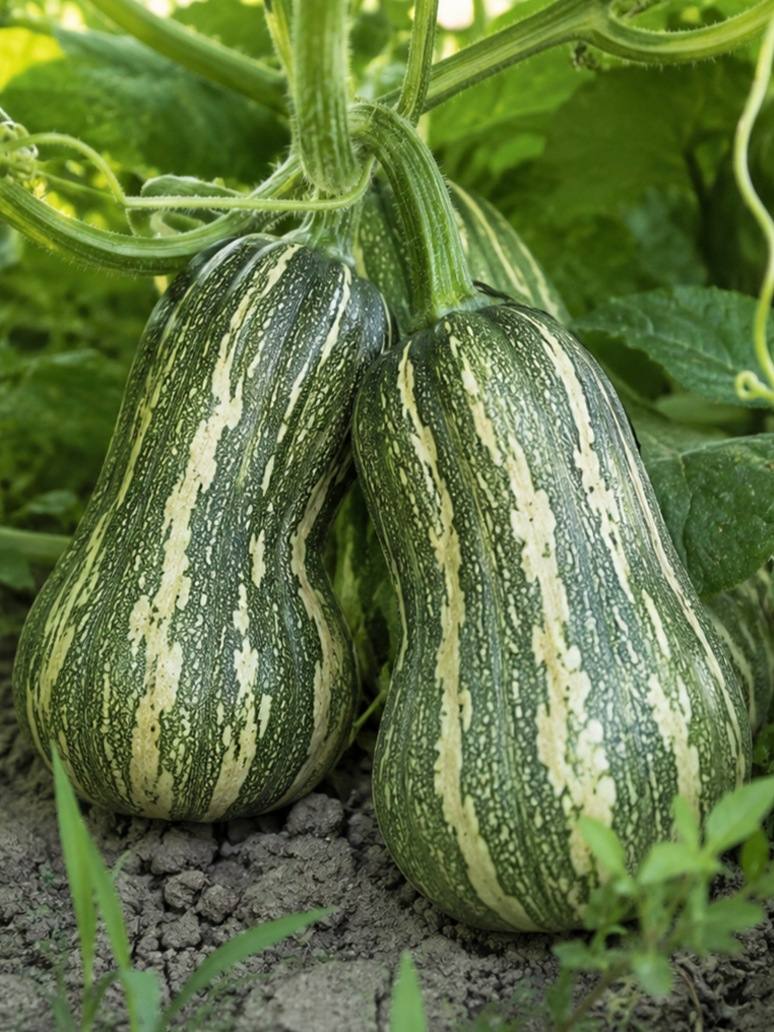
- This premium hybrid variety produces beautiful peanut-shaped pumpkins with smooth skin, thick orange flesh, and a naturally sweet flavor.
- Whether you're a home gardener, terrace gardening enthusiast, or commercial grower, this hybrid delivers vigorous vines, uniform fruits, and consistent harvests throughout the growing season.
- The Pumpkin Peanut Shaped Hybrid is specially developed for Indian growing conditions, making it suitable for cultivation in kitchen gardens, terrace gardens, backyard vegetable gardens, grow bags, raised beds, and open fields. Its vigorous growth, strong disease tolerance, and excellent fruit quality make it one of the best hybrid pumpkin varieties for gardeners who want reliable performance and higher productivity.
- Besides its attractive appearance, this pumpkin is highly nutritious. Rich in Vitamin A, Vitamin C, dietary fibre, antioxidants, and essential minerals, it is widely used in Indian households to prepare curries, soups, halwa, desserts, baby food, stuffed pumpkin recipes, and many traditional dishes. The fruits also have good keeping quality, allowing them to be stored for longer periods after harvest.
- If you are searching online for the best pumpkin hybrid seeds for home gardening, high-yield pumpkin seeds in India, or premium vegetable seeds for terrace gardening, this hybrid variety is an excellent choice. With proper care, each plant produces healthy vines and multiple high-quality fruits, making it a valuable addition to any vegetable garden.
Why Choose Pumpkin Peanut Shaped Hybrid Seeds?
- Choosing high-quality hybrid seeds is the first step toward a successful harvest. Pumpkin Peanut Shaped Hybrid Seeds are carefully developed to provide gardeners and farmers with better germination, stronger vines, and higher yields than many traditional pumpkin varieties.
- High-Yield Hybrid Pumpkin Variety- This hybrid variety is known for producing vigorous vines with multiple uniform fruits throughout the growing season. It is ideal for gardeners who want consistent harvests from every plant.
- Attractive Peanut-Shaped Fruit- Unlike ordinary pumpkins, this variety produces distinctive peanut-shaped fruits that are highly attractive in home gardens and vegetable markets. Their unique appearance adds value to both home-grown produce and commercial cultivation.
- Thick, Sweet Orange Flesh-The fruits develop thick orange flesh with a naturally sweet taste and smooth texture, making them suitable for a wide range of culinary uses.
- Excellent Germination and Vigorous Growth-Premium-quality hybrid seeds ensure healthy seedlings, rapid vine growth, and better plant establishment under suitable growing conditions.
- Suitable for Indian Climatic Conditions-Whether you live in North India, South India, East India, or West India, this hybrid variety performs well in warm weather and adapts easily to different growing regions.
- Perfect for Home Gardening and Commercial Farming- The plants grow successfully in:
- Kitchen gardens
- Terrace gardens
- Roof top gardens Raised beds
- Backyard vegetable gardens
- Farm fields
- Large grow bags
- Good Storage Quality-Mature pumpkins have good shelf life, making them suitable for home use, transportation, and local markets.
Different Names of Pumpkin in India
Language. Name
- English. Pumpkin
- Hindi. कद्दू (Kaddu)
- Bengali. কুমড়ো (Kumro)
- Marathi. भोपळा (Bhopla)
- Gujarati. કોળું (Kolu)
- Tamil. பூசணிக்காய் (Poosanikkai)
- Telugu. గుమ్మడికాయ (Gummadikaya)
- Kannada ಕುಂಬಳಕಾಯಿ (Kumbalakayi)
- Malayalam. മത്തങ്ങ (Mathanga)
- Punjabi. ਕੱਦੂ (Kaddu)
Health Benefits of Pumpkin
- Pumpkin is a nutrient-rich vegetable that offers several health benefits and can be a valuable part of a balanced diet.
- Rich in Vitamin A, which supports healthy vision and skin.
- Contains Vitamin C to help support the immune system.
- High in dietary fibre, which promotes healthy digestion.
- Naturally low in calories, making it suitable for healthy eating plans.
- Provides antioxidants that help protect the body's cells.
- Contains potassium and magnesium, which support normal body functions.
- High water content helps keep the body hydrated.
- Suitable for children, adults, and older people when included as part of a balanced diet.
Popular Uses of Pumpkin in Indian Kitchens
- Pumpkin is one of the most versatile vegetables and can be prepared in many delicious ways.
- Pumpkin Curry (Kaddu Sabzi)
- Pumpkin Soup
- Pumpkin Halwa
- Stuffed Pumpkin
- Roasted Pumpkin
- Pumpkin Puree
- Baby Food
- Sambar
- Pumpkin Kheer
- Mixed Vegetable Curry
- Pumpkin Paratha
- Pumpkin Cutlets
Where Can You Grow Pumpkin Peanut Shaped Hybrid?
This variety grows well in a wide range of gardening spaces, including:
- Home gardens
- Kitchen gardens
- Terrace gardens
- Balcony gardens (using large grow bags)
- Rooftop gardens
- Raised beds
- Organic vegetable gardens
- Farm fields
With full sunlight, fertile soil, and regular care, Pumpkin Peanut Shaped Hybrid plants produce vigorous vines and abundant harvests of uniquely shaped, sweet pumpkins.
How to Grow Pumpkin Peanut Shaped Hybrid Seeds Successfully at Home
- Growing Pumpkin Peanut Shaped Hybrid Seeds is simple when the plants receive the right combination of sunlight, fertile soil, water, and proper care.
- This vigorous hybrid variety grows quickly and rewards gardeners with healthy vines and an excellent harvest of uniquely shaped pumpkins. Whether you are a beginner or an experienced gardener, following the correct growing method will help you achieve stronger plants and higher yields.
Best Soil for Growing Pumpkin Peanut Shaped Hybrid Seeds
- One of the most important factors for growing healthy pumpkin plants is choosing the right soil. Pumpkins are heavy feeders and grow best in fertile, loose, well-drained soil rich in organic matter. Good soil allows the roots to spread easily, improves water drainage, and supports vigorous vine growth.
For the best results, prepare the following soil mix:
- 40% Garden Soil– Provides natural minerals and support for root development.
- 30% Well-Decomposed Compost or Vermicompost– Supplies essential nutrients for healthy growth.
- 20% River Sand – Improves drainage and prevents waterlogging.
- 10% Cocopeat– Helps retain moisture while keeping the soil light and airy.
Ideal Soil pH
- Pumpkin plants prefer a slightly acidic to neutral soil with a pH between 6.0 and 7.5. This pH range helps the roots absorb nutrients efficiently, leading to healthier plants and better fruit production.
How to Sow Pumpkin Peanut Shaped Hybrid Seeds
- If you are wondering how to grow pumpkin from seeds at home, the process is easy and beginner-friendly.
Step 1: Prepare the Growing Area
- Choose a location that receives full sunlight and has enough space for the vines to spread. Mix compost into the soil before sowing to improve fertility.
Step 2: Sow the Seeds
- Plant each seed about 2–3 cm (1 inch)deep in the soil. Place two seeds in each planting hole. Once the seedlings emerge, retain the healthiest plant and remove the weaker one.
Step 3: Water After Sowing
- Water gently immediately after sowing to keep the soil evenly moist. Avoid flooding the soil.
Step 4: Seed Germination
- Under warm weather conditions, Pumpkin Peanut Shaped Hybrid Seeds usually germinate within 5–10 days. Keep the soil moist but not waterlogged during this period.
Best Pot Size for Growing Pumpkin Peanut Shaped Hybrid in Pots
- Many gardeners search for "Can pumpkin be grown in pots?" The answer is Yes.
- Pumpkin Peanut Shaped Hybrid grows successfully in containers when enough space is provided.
- Recommended Pot Size
- Minimum 24-inch diameter pot
- Or a 50–70 litre grow bag
- Large containers provide enough space for healthy root development and vigorous vine growth.
Plant Spacing for Healthy Growth
- Proper spacing improves airflow, reduces disease, and encourages larger fruits.
- Plant to Plant Distance: 1.5–2 metres
- Row to Row Distance: 2–3 metres
- Avoid overcrowding, as closely spaced plants compete for nutrients and sunlight.
How Much Sunlight Does Pumpkin Peanut Shaped Hybrid Need?
- One of the most frequently searched questions is:
Does Pumpkin Need Full Sun?
- Yes.Pumpkin Peanut Shaped Hybrid requires 6–8 hours of direct sunlight every day.
- Plants grown in full sunlight develop:
- Strong vines,Larger leaves,More flowers,Better pollination,Higher fruit production,Sweeter pumpkins
- Lack of sunlight often results in fewer flowers and smaller fruits.
Water Requirement for Pumpkin Peanut Shaped Hybrid Plants
Knowing how often to water pumpkin plants is essential for healthy growth.
During Seed Germination
- Keep the soil evenly moist until seedlings emerge.
During Vine Growth
- Water deeply 2–3 times per week, depending on the weather.
During Flowering and Fruit Development
- Increase watering slightly because the plants require more moisture during this stage.
Before Harvest
- Reduce watering during the last week before harvesting. This helps improve the sweetness and storage quality of the pumpkins.
Important Tip: Never allow the soil to remain waterlogged, as excess moisture can lead to root rot and fungal diseases.
Best Fertilizer for Pumpkin Peanut Shaped Hybrid Plants
Pumpkins are nutrient-loving plants and respond well to regular feeding.
Before Planting
- Mix well-rotted compost or vermicompost into the soil.
During Vegetative Growth
- Apply a balanced fertilizer or compost every 20–25 days to encourage healthy vines.
During Flowering
- Use a fertilizer higher in phosphorus and potassium to promote better flowering and fruit set.
During Fruit Development
- Continue feeding with organic compost or potassium-rich fertilizer to improve fruit size, colour, and sweetness.
How to Increase Pumpkin Yield Naturally
If you want to harvest more pumpkins from each plant, follow these simple tips:
- Grow the plants in full sunlight.
- Use nutrient-rich soil.
- Water consistently.
- Provide enough space for the vines.
- Feed the plants regularly.
- Remove weeds around the plants.
- Harvest mature fruits on time.
- Encourage bees and other pollinators to visit your garden.
These practices help improve plant health and maximize fruit production.
Do Pumpkin Plants Need Pollination?
- Yes.Pumpkin plants produce separate male and female flowers. Bees usually transfer pollen naturally.
- If there are very few bees in your garden, you can hand-pollinate by transferring pollen from a male flower to a female flower using a soft brush or by gently touching the flowers together. This simple method greatly improves fruit set and reduces flower drop.
Best Companion Plants for Pumpkin
Companion planting helps improve growth and naturally reduce pest problems.
Good companion plants include:
- Marigold
- Nasturtium
- Radish
- Corn
- Beans
- Sunflower
- Basil
Avoid planting pumpkins too close to potatoes, as they may compete for nutrients and increase the risk of certain diseases.
Common Pests That Affect Pumpkin Plants
Although Pumpkin Peanut Shaped Hybrid has good plant vigour, regular inspection helps prevent pest damage.
Common pests include:
- Aphids
- Fruit Fly
- Red Pumpkin Beetle
- Whiteflies
- Spider Mites
Spraying neem oil in the early stages of infestation can help manage many common garden pests.
Common Diseases of Pumpkin Plants
Healthy growing practices help reduce disease problems.
Some common diseases include:
- Powdery Mildew
- Downy Mildew
- Mosaic Virus
- Root Rot
- Anthracnose
Avoid overhead watering in the evening and maintain proper spacing to improve air circulation around the plants.
When to Harvest Pumpkin Peanut Shaped Hybrid
One of the most common questions gardeners ask is:
How Long Does Pumpkin Take to Grow?
- Pumpkin Peanut Shaped Hybrid is generally ready for harvest 90–120 days after sowing, depending on weather conditions and plant care.
Harvest the fruits when:
- The skin becomes hard.
- The fruit develops its mature colour.
- The stem begins to dry slightly.
- The fruit produces a dull sound when tapped gently.
- Use a sharp knife or pruning shears to harvest the pumpkin, leaving a small portion of the stem attached. This helps improve storage life.
Harvesting and Storing Pumpkin Peanut Shaped Hybrid for Maximum Freshness
- Harvesting your pumpkins at the right stage ensures the best flavour, texture, and storage life.
- Unlike many vegetables that are picked while still immature, pumpkins should be harvested only after they have fully matured.
Signs that your Pumpkin Peanut Shaped Hybrid is ready to harvest include:
- The fruit has developed its full peanut shape and mature colour.
- The skin becomes hard and cannot be easily scratched with a fingernail.
- The stem begins to dry and turn brown.
- The fruit produces a dull, hollow sound when tapped gently.
- Always harvest using a clean, sharp knife or pruning shears. Leave 5–8 cm of the stem attached to the fruit, as this helps reduce moisture loss and extends storage life.
- Store harvested pumpkins in a cool, dry, and well-ventilated place away from direct sunlight. Under suitable conditions, mature pumpkins can remain fresh for several weeks.
Expert Tips for Growing Bigger and Healthier Pumpkins
If you want to grow larger, healthier, and sweeter pumpkins, follow these expert gardening tips:
- Choose a location that receives full sunlight throughout the day.
- Enrich the soil with compost before sowing.
- Water deeply instead of giving frequent light watering.
- Mulch around the plants to conserve soil moisture and suppress weeds.
- Remove damaged or diseased leaves as soon as they appear.
- Encourage bees and butterflies to visit your garden for better pollination.
- Feed the plants with compost or balanced fertilizer every 20–25 days.
- Harvest fruits at the correct stage to encourage healthy plant growth.
Common Growing Problems and Their Solutions
Why Is My Pumpkin Plant Producing Flowers but No Fruits?
- This is usually caused by poor pollination, extreme temperatures, or a lack of pollinating insects. Hand pollination can help improve fruit set.
Why Are My Pumpkin Leaves Turning Yellow?
- Yellow leaves may result from overwatering, nutrient deficiencies, ageing leaves, or poor drainage. Check soil moisture and feed the plant with compost if necessary.
Why Are My Pumpkin Fruits Cracking?
- Fruit cracking is often caused by irregular watering. Maintain consistent soil moisture, especially during fruit development.
Why Is My Pumpkin Plant Growing Slowly?
- Poor sunlight, nutrient-poor soil, overcrowding, or low temperatures can slow growth. Ensure the plant receives at least 6–8 hours of direct sunlight and regular feeding.
Frequently Asked Questions About Pumpkin Peanut Shaped Hybrid Seeds
What is the best time to sow Pumpkin Peanut Shaped Hybrid Seeds in India?
- The best sowing time is January to March and June to July in most parts of India. Gardeners in warmer southern regions can enjoy a longer planting season.
How long do Pumpkin Peanut Shaped Hybrid Seeds take to germinate?
- Under warm and moist conditions, the seeds usually germinate within 5–10 days.
Can I grow Pumpkin Peanut Shaped Hybrid in pots?
- Yes. This variety grows well in a 24-inch pot or a 50–70 litre grow bag with proper sunlight and enough room for the vines to spread.
Does Pumpkin Peanut Shaped Hybrid need full sunlight?
- Yes. The plants require 6–8 hours of direct sunlight every day to produce healthy vines, more flowers, and better-quality fruits.
How often should I water Pumpkin plants?
- Water deeply 2–3 times a week, depending on the weather. Keep the soil evenly moist, especially during flowering and fruit development.
How long does Pumpkin Peanut Shaped Hybrid take to produce fruits?
- The fruits are generally ready for harvesting 90–120 days after sowing, depending on climate and plant care.
Can beginners grow Pumpkin Peanut Shaped Hybrid successfully?
- Absolutely. This hybrid variety is easy to grow and is suitable for beginners as well as experienced gardeners.
What type of soil is best for growing Pumpkin?
- A well-drained, fertile soil rich in organic matters with a pH between 6.0 and 7.5 provides the best results.
Can I grow Pumpkin Peanut Shaped Hybrid on my terrace?
- Yes. It grows successfully in large grow bags or containers on terraces, provided the plants receive plenty of sunlight and enough space.
Why are my pumpkin flowers falling off?
- This usually happens due to poor pollination, sudden weather changes, water .
How can I increase the yield of Pumpkin Peanut Shaped Hybrid plants?
- Use fertile soil, provide full sunlight, water regularly, feed the plants with compost every few weeks, and encourage natural pollinators such as bees.
Can I save seeds from Pumpkin Peanut Shaped Hybrid fruits?
- No. Since this is a hybrid variety, seeds collected from harvested fruits may not produce plants with the same fruit quality or characteristics. Purchase fresh hybrid seeds for each growing season to ensure the best results.
Are Pumpkin Peanut Shaped Hybrid fruits good for cooking?
- Yes. The thick orange flesh has a naturally sweet flavour and is ideal for curries, soups, halwa, roasting, purees, baby food, and many traditional recipes.Is
Pumpkin Peanut Shaped Hybrid suitable for commercial cultivation?
- Yes. Its unique fruit shape, excellent yield, attractive appearance, and good storage life make it suitable for both home gardeners and commercial farmers.
Why should I buy Pumpkin Peanut Shaped Hybrid Seeds?
- These premium hybrid seeds produce vigorous plants, high yields, sweet orange-fleshed pumpkins, and unique peanut-shaped fruits that perform well under Indian growing conditions.
Why Buy Pumpkin Peanut Shaped Hybrid Seeds from Us?
- When you purchase Pumpkin Peanut Shaped Hybrid Seeds from our store, you receive carefully selected, premium-quality seeds that are suitable for Indian growing conditions.
Our seeds are chosen to provide:
- Excellent germination under suitable conditions.
- Vigorous and healthy plant growth.
- High-yield hybrid performance.
- Attractive peanut-shaped pumpkins.
- Sweet, thick orange flesh.
- Suitable for home gardens, terraces, kitchen gardens, and farms.
- Reliable quality for gardeners across India.
- Whether you are growing vegetables for your family or cultivating them commercially, these hybrid seeds are an excellent choice for a productive growing season.
- If you are searching for the best Pumpkin Peanut Shaped Hybrid Seeds for home gardening, high-yield pumpkin seeds for Indian conditions, or premium hybrid vegetable seeds online, this variety is an excellent option. With vigorous vines, unique peanut-shaped fruits, sweet orange flesh, and reliable productivity, it combines beauty, flavour, and performance in one exceptional hybrid.
- By providing fertile soil, regular watering, full sunlight, and proper care, you can enjoy a generous harvest of healthy pumpkins that are perfect for everyday cooking, festive recipes, and long-term storage.
- Bring home Pumpkin Peanut Shaped Hybrid Seeds today and enjoy the satisfaction of harvesting fresh, nutritious, and delicious pumpkins straight from your own garden.
Share
GENERAL INFORMATIONS
Common Questions
Country of origin ?
India
What is the Shipping Cost ?
Your products are shipped based on option selected at the time of Checkout.
1. India Post Shipping = ₹49/-
2. Private Courier Shipping =₹69/-