
seedandplant
Laal Saag-Leafy-Vegetable Seed-(Open Pollinated)
Laal Saag-Leafy-Vegetable Seed-(Open Pollinated)
Couldn't load pickup availability
🌱 Red Amaranth Seeds – Grow Fresh Red Amaranth at Home
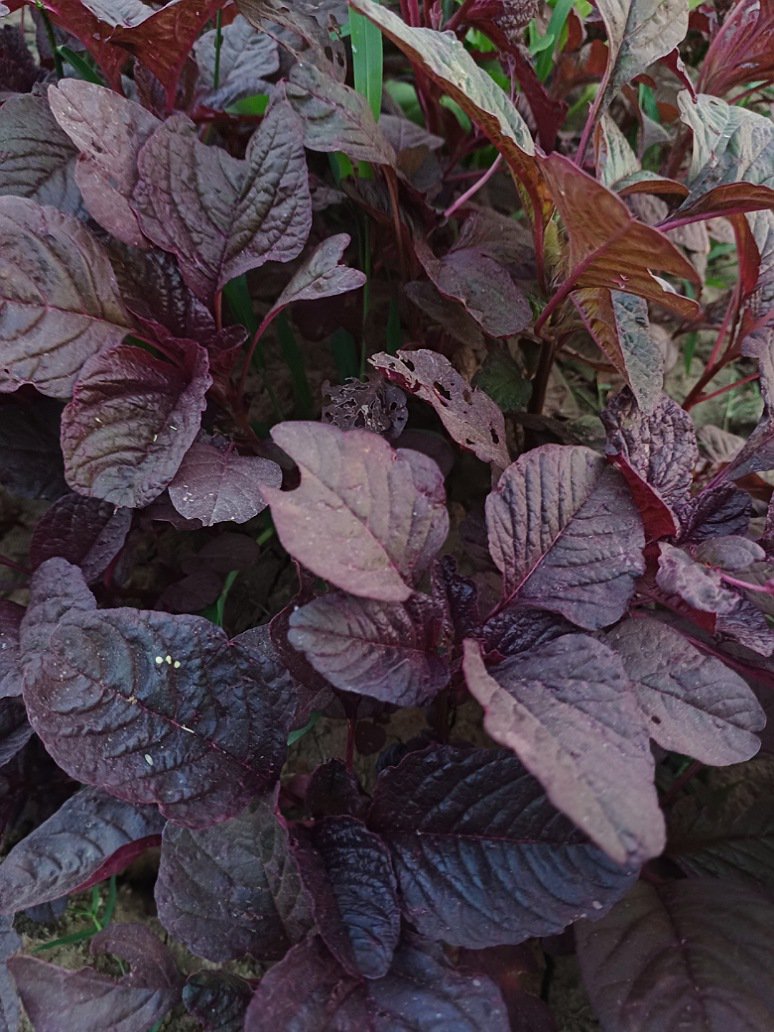
Grow fresh Red Amaranth (Laal Saag / Lal Saag / Chaulai) at home with these easy-to-grow seeds. Red Amaranth is a leafy vegetable with attractive reddish-green foliage and is well suited for home gardens, kitchen gardens, balcony pots and terrace gardens.
It is a fast-growing leafy vegetable that can be harvested while the leaves and young stems are tender.
📦 What Will You Receive?
- Product: Red Amaranth Seeds
- Seed Quantity: 1000+ Seeds
- Plant Type: Leafy Vegetable
- Suitable For: Home gardens, pots, containers and terrace gardens
🌿 About Red Amaranth
Red Amaranth is a leafy vegetable commonly known as Laal Saag, Lal Saag or Chaulai in different parts of India.
The plant develops attractive red, burgundy and green foliage depending on growing conditions and variety.
Red Amaranth is easy to grow and is a good choice for gardeners who want to harvest fresh leafy vegetables from their own garden.
🌱 How to Sow Red Amaranth Seeds
Red Amaranth is easy to grow and can be a good choice for beginner gardeners.
1. Prepare the Soil
Use loamy, fertile and well-draining soil.
Before sowing, mix well-decomposed compost or suitable organic matter into the soil if required.
Make sure excess water can drain away easily.
2. Sow the Seeds
Red Amaranth seeds are very small.
- Spread the seeds evenly over the prepared soil.
- Cover them with a very thin layer of soil.
- Do not bury the seeds deeply.
- Water gently after sowing.
- Keep the soil moist during germination.
For container gardening, sow the seeds evenly rather than placing many seeds in one small spot.
☀️ Sunlight Requirements
Red Amaranth grows well with plenty of sunlight.
Place your pot or container in a location that receives good natural sunlight.
If you are growing Red Amaranth on a balcony or terrace, choose the brightest suitable location.
💧 Watering Red Amaranth
Keep the soil consistently moist during germination and early growth, but avoid making it soggy.
- Water gently after sowing.
- Check the soil regularly.
- Water when the surface begins to dry.
- Avoid waterlogging.
Small seedlings can be easily disturbed by strong water flow, so use a gentle spray or watering can.
🌱 Soil Requirements
Red Amaranth grows well in fertile, loose and well-draining soil.
For containers, you can prepare a suitable growing mix using:
- Garden soil
- Compost or well-decomposed organic matter
- Cocopeat or another material that helps improve the growing medium
The soil should retain enough moisture for the plants while allowing excess water to drain away.
🪴 Growing Red Amaranth in Pots
Red Amaranth is well suited for container gardening.
You can grow it in:
- Pots
- Grow bags
- Containers
- Balcony planters
- Terrace garden beds
- Kitchen gardens
Choose a container with adequate drainage holes and provide sufficient space for the plants to grow.
🌱 Thinning Red Amaranth Seedlings
Once the seedlings emerge, overcrowded plants can be thinned.
Removing excess seedlings gives the remaining plants more room for:
- Leaf development
- Air circulation
- Sunlight
- Healthy growth
The removed young seedlings can be used as microgreens where appropriate.
🌿 Red Amaranth Plant Care
For good growth:
- Provide adequate sunlight.
- Keep the soil moderately moist.
- Avoid waterlogging.
- Remove excessive weeds.
- Thin overcrowded seedlings.
- Add suitable compost or plant nutrition when required.
- Harvest leaves regularly once the plants are established.
🥗 Culinary Uses of Red Amaranth
Fresh Red Amaranth leaves can be used in a variety of dishes.
The tender leaves and stems can be used in:
- Saag
- Vegetable dishes
- Stir-fries
- Curries
- Soups
- Salads
- Rice dishes
- Other homemade recipes
Harvest young and tender leaves for use in cooking.
✂️ Harvesting Red Amaranth
Red Amaranth can be harvested once the plants have developed sufficient leafy growth.
For repeated harvesting:
- Pick tender outer leaves and stems as required.
- Avoid removing the entire plant if you want continued growth.
- Harvest regularly while the leaves are young and tender.
If you want to collect seeds, allow some plants to mature and develop seed heads.
⭐ Why Grow Red Amaranth at Home?
- Easy-to-grow leafy vegetable
- Suitable for beginner gardeners
- Attractive red and green foliage
- Suitable for pots and containers
- Great for terrace and balcony gardens
- Can be grown in kitchen gardens
- Fresh leaves can be harvested as required
- Suitable for a variety of homemade dishes
📋 Product Details
| Feature | Details |
|---|---|
| Product | Red Amaranth Seeds |
| Common Names | Laal Saag, Lal Saag, Chaulai |
| Seed Quantity | 1000+ Seeds |
| Plant Type | Leafy Vegetable |
| Suitable For | Pots, Containers, Grow Bags & Garden Beds |
| Sunlight | Good Natural Sunlight |
| Growing Location | Home, Balcony & Terrace Gardens |
Important Note
Seed germination and plant growth depend on temperature, soil, moisture, sunlight, seed quality and other environmental conditions. Actual results may vary.
Share
GENERAL INFORMATIONS
Common Questions
Country of origin ?
India
What is the Shipping Cost ?
Your products are shipped based on option selected at the time of Checkout.
1. India Post Shipping = ₹49/-
2. Private Courier Shipping =₹69/-