
seedandplant
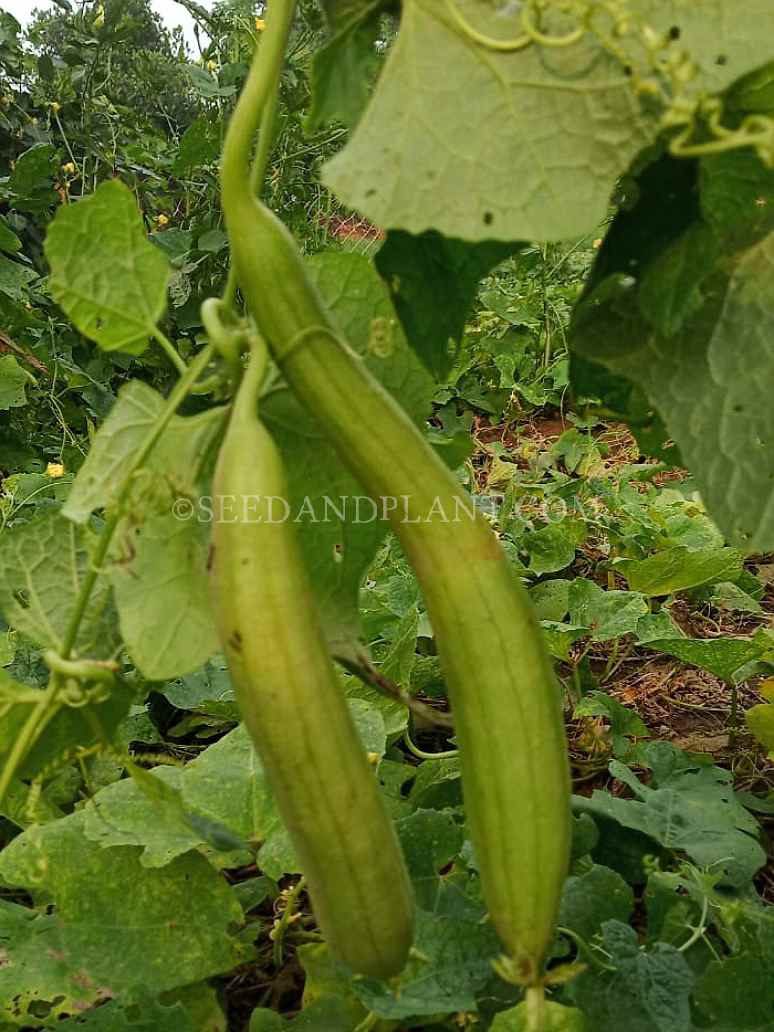
Desi Green Sponge Gourd Dark Green - Open Pollination Seeds
Desi Green Sponge Gourd Dark Green - Open Pollination Seeds
Couldn't load pickup availability
🌱 Desi Green Sponge Gourd – Dark Green Seeds
Grow fresh Desi Green Sponge Gourd (Turai/Luffa) at home with these seeds. This is a vigorous climbing vegetable that produces elongated, dark-green fruits and is suitable for home gardens, kitchen gardens, terrace gardens and large grow bags.
The plant requires warm conditions, plenty of sunlight and a suitable trellis or vertical support for the vines to climb.
📦 What Will You Receive?
- Product: Desi Green Sponge Gourd Seeds
- Seed Quantity: 15 Seeds
- Variety: Desi Green – Dark Green
- Plant Type: Climbing Vegetable
- Suitable For: Garden Beds, Grow Bags & Large Containers
🌿 About Sponge Gourd
Sponge Gourd is a vigorous climbing vegetable commonly known as Turai in India.
The plant produces elongated, cylindrical fruits with dark-green skin. Young and tender fruits are commonly harvested for cooking.
The vines can grow vigorously, so providing a trellis, net or other vertical support is recommended.
Common Names
Sponge Gourd is also known as:
- Sponge Gourd
- Luffa
- Loofah Gourd
- Dishcloth Gourd
- Turai
- Ghia
- Thuppada Heere
Botanical names: Luffa cylindrica / Luffa aegyptiaca
🇮🇳 Best Time to Sow Sponge Gourd Seeds in India
Sponge Gourd is a warm-season crop and grows best when soil and air temperatures are sufficiently warm.
The exact sowing period varies by region and local climate.
General growing periods
| Region | Approximate Sowing Period |
|---|---|
| North India | Late March–April |
| South India | February–March |
| West India | Late February–March |
| Central India | Late March–April |
| East India | March–April |
These are general guidelines rather than fixed dates. Local temperature and weather conditions should be considered before sowing.
For successful germination, wait until the soil is sufficiently warm. A soil temperature around 21°C or above is suitable for warm-season seed germination.
☀️ Choosing the Right Location
Select a sunny location where the plant receives plenty of direct sunlight.
Sponge Gourd is a vigorous climber and needs space for its vines to spread or climb.
Suitable locations include:
- Backyard gardens
- Kitchen gardens
- Terrace gardens
- Large grow bags
- Large containers
🪴 Grow Bag Size for Sponge Gourd
Sponge Gourd can be grown in a large grow bag on a terrace.
Use a deep and wide container with good drainage, preferably around 18 inches deep or larger, to provide adequate room for root development.
If using a grow bag, make sure it has sufficient drainage holes.
Because the plant develops long vines, provide a strong trellis or vertical structure alongside the container.
🌱 Soil Preparation
Sponge Gourd grows well in fertile, loose and well-draining soil.
For garden planting:
- Loosen the soil to approximately 8–10 inches.
- Remove stones, weeds and large soil clumps.
- Mix in well-decomposed compost or suitable organic matter.
- Make sure excess water can drain away.
For containers, use a fertile growing medium that provides good drainage and enough organic matter for plant growth.
Avoid excessive fertilizer, particularly around newly sown seeds.
🌱 Preparing Sponge Gourd Seeds Before Sowing
Sponge Gourd seeds have a relatively hard seed coat.
You can optionally soak the seeds in clean water for several hours or overnight before sowing.
Soaking can help soften the seed coat, but it is not essential.
After soaking, sow the seeds promptly in the prepared growing medium.
🌱 How to Sow Sponge Gourd Seeds
- Make a hole approximately 1 inch deep.
- Place the seed in the hole.
- Cover lightly with soil.
- Water gently.
- Keep the soil moderately moist during germination.
For garden planting, maintain sufficient spacing between plants to allow the vines to develop.
For containers, avoid sowing too many seeds in a single small pot. Once seedlings are established, retain the strongest plant where necessary.
💧 Watering During Germination
After sowing:
- Water gently.
- Keep the soil moist but not waterlogged.
- Avoid allowing the soil to completely dry during germination.
- Reduce watering if the growing medium remains wet.
Once seedlings are established, water according to the moisture level of the soil and the local weather conditions.
🌿 Provide Climbing Support
Sponge Gourd is a climbing plant, so vertical support should be provided as the vines develop.
Suitable supports include:
- Trellis
- Garden net
- Bamboo frame
- Strong wire support
- Pergola
- Vertical garden structure
Guide young vines toward the support as they grow.
A strong trellis is particularly important because mature vines and fruits can become heavy.
☀️ Sunlight Requirements
Sponge Gourd performs best in full sunlight.
Choose a location receiving approximately 6–8 hours of good sunlight where possible.
Good sunlight supports vigorous vine growth and flowering.
🌱 Germination
Under suitable warm conditions, Sponge Gourd seeds generally germinate in approximately 7–14 days.
Germination time can vary depending on:
- Soil temperature
- Moisture
- Seed quality
- Sowing depth
- Soil type
- Weather conditions
🌿 Sponge Gourd Plant Care
For good plant growth:
- Provide plenty of sunlight.
- Use fertile, well-draining soil.
- Water regularly according to soil moisture.
- Avoid waterlogging.
- Provide strong climbing support.
- Guide the vines onto the trellis.
- Remove weeds around the plant.
- Add compost or suitable plant nutrition when required.
- Monitor the plant regularly for common garden pests.
Avoid applying excessive fertilizer, particularly close to the seeds or young roots.
🥒 Harvesting Sponge Gourd
Sponge Gourd is generally harvested while the fruits are young and tender.
Under suitable conditions, the first harvest may begin approximately 70–90 days after sowing, although the actual harvest time varies with climate, variety and growing conditions.
Harvest when the fruits reach a suitable size and remain tender.
Use a clean knife or garden scissors to cut the fruit from the vine instead of pulling it.
Regular harvesting can encourage continued fruit production during the growing season.
🍲 Culinary Uses of Sponge Gourd
Young and tender Sponge Gourd is commonly used in Indian cooking.
It can be prepared as:
- Turai sabzi
- Bhaji
- Stir-fry
- Curry
- Dal
- Soup
- Stew
- Pakoras
- Pickles
- Mixed vegetable dishes
Cut the tender fruit into pieces and prepare according to your preferred recipe.
🌱 Why Grow Desi Green Sponge Gourd?
- Dark-green fruit variety
- Open-pollinated seeds
- Vigorous climbing plant
- Suitable for Indian home gardens
- Suitable for terrace gardening
- Can be grown in large grow bags
- Young fruits are suitable for cooking
- Good choice for kitchen gardens
📋 Product Details
| Feature | Details |
|---|---|
| Product | Desi Green Sponge Gourd Seeds |
| Variety | Dark Green |
| Seed Quantity | 15 Seeds |
| Plant Type | Climbing Vegetable |
| Botanical Name | Luffa cylindrica / Luffa aegyptiaca |
| Growing Season | Warm Season |
| Sunlight | Full Sun |
| Germination | Approximately 7–14 Days* |
| First Harvest | Approximately 70–90 Days* |
| Suitable For | Garden Beds, Grow Bags & Large Containers |
| Support | Trellis / Net / Vertical Support |
*Actual germination and harvesting time depends on temperature, moisture, soil, sunlight, seed quality and other growing conditions.
Important Note
Germination, plant growth, flowering, fruit development and harvesting time depend on local climate and growing conditions. Actual results may vary.
Share
GENERAL INFORMATIONS
Common Questions
Country of origin ?
India
What is the Shipping Cost ?
Your products are shipped based on option selected at the time of Checkout.
1. India Post Shipping = ₹49/-
2. Private Courier Shipping =₹69/-