

seedandplant
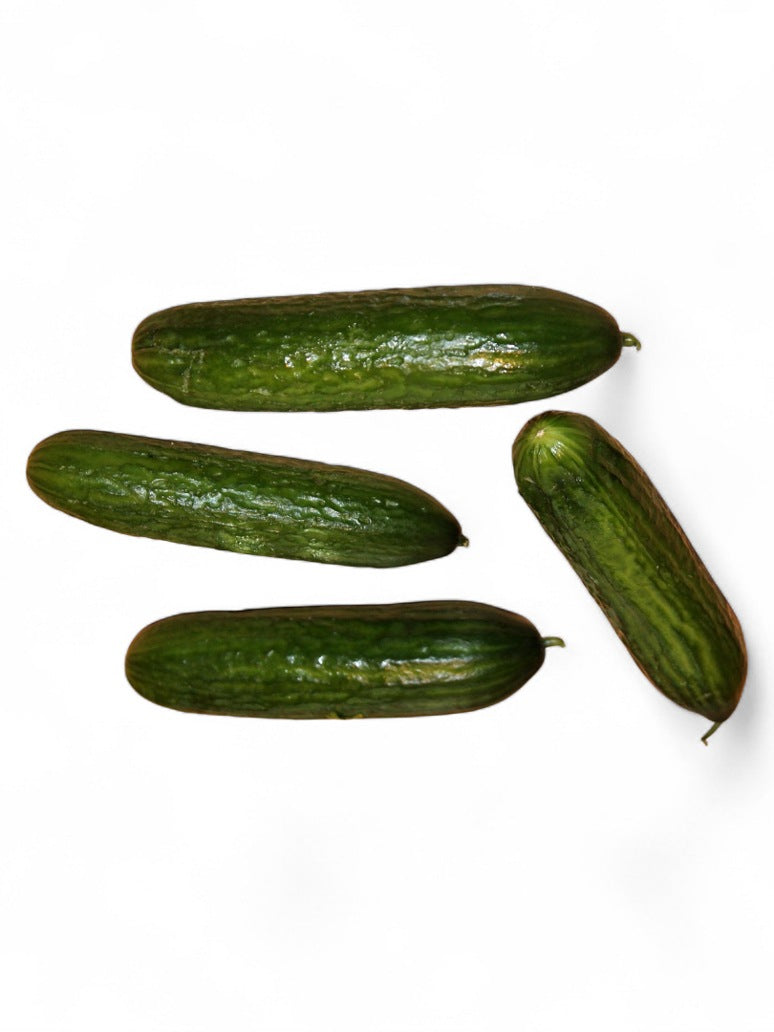
Cucumber Emerald-Open Pollination Seeds
Cucumber Emerald-Open Pollination Seeds
Couldn't load pickup availability
Seeds quantity - 20
Cucumber Emerald – Open Pollination Seeds | Grow Fresh Green Cucumber at Home
Cucumber Emerald Open Pollination Seeds – Productive Cucumber Variety for Home & Kitchen Gardens
- Cucumber Emerald Open Pollination Seeds are a great choice for gardeners and farmers who want to grow fresh, crisp, and attractive green cucumbers at home or in the field. This vegetable is popular for its refreshing taste and versatility in everyday cooking.
- Cucumber plants are fast-growing vines that can be grown in kitchen gardens, terrace gardens, balcony gardens, raised beds, grow bags, pots, and open fields With proper support, the vines can grow vertically, making cucumber a practical crop even for gardeners with limited space.
- Fresh cucumbers can be enjoyed in salads, raita, sandwiches, pickles, juices, infused water, and a variety of Indian meals. Growing your own cucumber also allows you to harvest the fruits when they are young, tender, and fresh.
- These are open-pollinated seeds, making them a suitable choice for gardeners who are interested in maintaining their own seed stock. Healthy, mature fruits can be allowed to fully mature for seed collection, with appropriate practices to maintain varietal purity.
- If you are looking for Cucumber Emerald seeds online in India, Emerald cucumber seeds for home gardening, or open-pollinated cucumber seeds for kitchen gardens, this variety can be an excellent addition to your vegetable garden.
Why Choose Cucumber Emerald Open Pollination Seeds?
- Cucumber Emerald is a useful vegetable crop for both home gardeners and growers because of its vigorous vine growth and versatile fruit use.
- Attractive Green Cucumbers
- The fruits develop an appealing green colour and are suitable for fresh consumption when harvested at the appropriate stage.
- Fast-Growing Vegetable Crop
- Cucumbers can develop quickly under warm and favourable growing conditions, making them rewarding for gardeners who want a comparatively quick vegetable harvest.
- Suitable for Home Gardening
Cucumber can be grown in:
- Kitchen gardens
- Terrace gardens
- Balcony gardens
- Raised beds
- Pots
- Grow bags
- Backyard gardens
- Open fields
Excellent for Vertical Gardening
- With a trellis or suitable support, cucumber vines can be trained vertically. This can save garden space and improve airflow around the plants.
Open-Pollinated Variety
- Open-pollinated plants can produce seeds that gardeners may save for future cultivation when fruits are allowed to mature fully and suitable pollination practices are followed.
Versatile Kitchen Vegetable
- Fresh cucumber can be used in salads, raita, pickles, sandwiches, juices, and many other recipes.
Best Time to Sow Cucumber Emerald Seeds in India
- Cucumber is a warm-season vegetable and performs best when temperatures are warm and there is no risk of frost.
The ideal sowing period varies across India.
Region Recommended Sowing Period
- North India - February–April and June–July
- Central India - February–April and June–August
- East India - February–April and June–August
- West India - September–April, depending on local climate
- South India - Almost year-round in suitable warm conditions
- Hill Regions - March–May
For many parts of northern India, February to April is an excellent period for the spring-summer crop.
A second crop may be possible during the monsoon where drainage is good and excessive humidity can be managed.
Different Names of Cucumber
Cucumber is known by several names across India and around the world.
- English: Cucumber
- Hindi: खीरा
- Hindi: ककड़ी
- Bengali: শসা
- Marathi: काकडी
- Gujarati: કાકડી
- Tamil: வெள்ளரிக்காய்
- Telugu: దోసకాయ
- Kannada: ಸೌತೆಕಾಯಿ
- Malayalam: വെള്ളരിക്ക
- The exact local name can vary depending on the region and the type of cucumber.
For searching Cucumber Emerald you can search Emerald Cucumber Seeds, Cucumber Seeds, Open Pollinated Cucumber Seeds, and Cucumber Seeds Online India.
Nutritional Benefits of Cucumber
Cucumber is a refreshing vegetable with a high water content and can be included as part of a balanced diet.
It provides:
- Water
- Dietary fibre
- Vitamin K
- Vitamin C
- Potassium
- Small amounts of other vitamins and minerals
- Plant compounds with antioxidant properties
- The nutritional content varies according to the variety, maturity, preparation, and serving size.
- Popular Ways to Use Cucumber Emerald in the Kitchen
- Fresh cucumber can be used in many everyday recipes.
You can use cucumber for:
- Fresh salads
- Cucumber raita
- Vegetable sandwiches
- Pickles
- Cucumber juice
- Infused water
- Chopped vegetable dishes
- Summer salads
- Cold soups
- Wraps
- Cucumber chutney
- Mixed vegetable recipes
- Harvesting cucumbers at the appropriate stage generally provides the best texture and flavour for fresh eating.
Where Can You Grow Cucumber Emerald?
- Cucumber is a versatile vegetable that can be grown in many types of gardens.
You can grow it in:
- Home vegetable gardens
- Kitchen gardens
- Terrace gardens
- Balcony gardens
- Raised beds
- Large pots
- Grow bags
- Backyard gardens
- Farms
- Commercial vegetable fields
- For container gardening, choose a large container and provide a trellis or support for the vines.
How to Grow Cucumber Emerald from Seeds
Growing cucumbers from seeds is relatively easy when the weather is warm and the soil is well prepared.
Step 1: Select a Sunny Location
- Choose a location receiving approximately 6–8 hours of direct sunlight every day.
- Cucumber is a warm-season crop and needs plenty of sunlight for vigorous growth and fruit production.
Step 2: Prepare the Soil
- Use fertile, loose, well-drained soil containing plenty of organic matter.
- Mix compost or well-decomposed farmyard manure into the soil before sowing.
Step 3: Sow the Seeds
- Sow the seeds approximately 2–3 cm deep.
- For direct sowing, place the seeds in small planting holes and cover them lightly with soil.
Step 4: Water Gently
- Water immediately after sowing.
- Keep the soil consistently moist during germination, but avoid excessive watering.
Step 5: Provide Support
- Once the vines begin growing, provide a trellis, net, bamboo support, or other suitable structure.
- Training cucumber vines vertically can help save space and keep fruits cleaner.
How Long Do Cucumber Emerald Seeds Take to Germinate?
- Under suitable warm and moist conditions, cucumber seeds generally germinate within approximately 3–10 days.
Germination depends on:
- Temperature
- Seed quality
- Soil moisture
- Sowing depth
- Growing medium
- Seed age
- Warm soil and consistent moisture usually encourage faster and more uniform germination.
Best Soil for Growing Cucumber Emerald
- Cucumber grows best in fertile, loose, well-drained soil rich in organic matter.
- For containers, a suitable growing mix can include:
- 40% good-quality garden soil
- 30% compost or vermicompost
- 20% cocopeat
- 10% coarse sand or another drainage-improving material
- Cucumber roots need both moisture and oxygen, so avoid heavy soil that remains waterlogged.
Ideal Soil pH for Cucumber Emerald
- Cucumber generally performs well in soil with a pH of approximately 6.0–7.0.
- Good drainage is particularly important because continuously wet soil can encourage root diseases and poor plant growth.
How Much Sunlight Does Cucumber Emerald Need?
- Cucumber Emerald needs approximately 6–8 hours of direct sunlight per day for healthy growth and good fruit production.
A sunny location helps the plant develop:
- Strong vines
- Healthy leaves
- More flowers
- Better fruit development
- Improved overall productivity
- Avoid growing cucumbers in heavily shaded areas.
- Water Requirement for Cucumber Emerald
- Cucumber plants require regular moisture because they grow quickly and produce fruits containing a high percentage of water.
During Germination
- Keep the soil evenly moist.
- During Vine Growth
- Water when the top layer of soil begins to dry.
- During Flowering and Fruit Development
- Maintain consistent moisture because water stress at this stage can affect fruit development.
Important Watering Tips
- Water deeply rather than giving very small amounts frequently.
- Avoid waterlogging.
- Water at the base of the plant where practical.
- Mulch around the plant to conserve moisture.
- Increase watering during very hot and dry weather.
- Avoid allowing plants to wilt repeatedly.
Best Pot Size for Growing Cucumber Emerald
- Cucumber can be grown successfully in containers, but because it develops a vigorous root system and long vines, larger containers are preferable.
- For container cultivation, use approximately:
- 20–25 litre or larger grow bags/pots per plant.
- A larger container provides better root space and helps maintain moisture during hot weather.
- Always ensure that the container has adequate drainage holes.
Cucumber Emerald Plant Spacing
Proper spacing is important for healthy vines and good airflow.
For plants grown on the ground, approximately:
- 45–60 cm plant-to-plant spacing
- 1.5–2 metres row-to-row spacing
can be used as a general starting point.
Spacing can vary depending on the growing system, trellis arrangement, soil fertility, and variety characteristics.
How to Fertilize Cucumber Emerald Plants
Cucumber is a relatively heavy-feeding crop, particularly during vigorous vine growth and fruit development.
Before planting, incorporate compost or well-decomposed organic manure into the soil.
During growth:
- Apply compost around established plants.
- Use a balanced vegetable fertilizer when required.
- Provide additional potassium during fruit development if appropriate.
- Avoid excessive nitrogen because it can encourage excessive leaf growth at the expense of fruit production.
- Follow fertilizer label instructions for application rates.
How to Grow Cucumber Emerald Faster and Healthier
For healthy cucumber plants:
- Sow during warm weather.
- Use fertile, well-drained soil.
- Provide 6–8 hours of sunlight.
- Maintain consistent soil moisture.
- Provide a trellis or support.
- Mulch around the plants.
- Maintain adequate spacing.
- Feed the plants regularly.
- Encourage natural pollinators.
- Harvest fruits regularly.
Does Cucumber Emerald Need a Trellis?
A trellis is highly recommended, especially when growing cucumbers in a small garden.
Vertical growing can:
- Save garden space
- Improve airflow
- Keep fruits off wet soil
- Make harvesting easier
- Reduce some soil-contact problems
- Improve visibility of pests and fruits
- You can use bamboo poles, garden netting, wire supports, or a strong trellis
- Make sure the support is strong enough to carry the weight of the growing vines and fruits.
Do Cucumber Plants Need Pollination?
- Yes. Cucumbers produce male and female flowers, and pollination is necessary for normal fruit development in many cucumber types.
- Bees and other pollinating insects commonly transfer pollen between flowers.
- If natural pollination is poor, hand pollination may help.
How to Hand-Pollinate Cucumber Flowers
- Identify a fresh male flower.
- Collect pollen using a small soft brush or by gently touching the flower.
- Transfer the pollen to the centre of a female flower.
- Perform this in the morning when flowers are fresh.
- Good pollination is particularly important when plants are grown on balconies, terraces, inside protected structures, or in areas with few pollinating insects.
When to Harvest Cucumber Emerald?
- Cucumbers are generally harvested while the fruits are still young and tender rather than waiting for them to reach full seed maturity.
- Depending on growing conditions, cucumbers may begin producing harvestable fruits approximately 45–70 days after sowing.
- Harvesting time can vary according to temperature, plant health, variety, nutrition, and growing conditions.
How to Harvest Cucumber Emerald
- Check the vines regularly once fruit production begins.
- Harvest fruits when they have reached the desired size and appearance.
- Use a clean knife or garden scissors rather than pulling fruits forcefully from the vine.
- Regular harvesting can encourage the plant to continue producing new fruits.
- Avoid leaving over-mature fruits on the plant for too long because they can become large, seedy, and less suitable for fresh eating.
How to Increase Cucumber Yield Naturally
If you want to improve cucumber production, follow these practices:
- Provide full sunlight.
- Use fertile soil.
- Maintain consistent moisture.
- Provide strong vine support.
- Encourage bees and other pollinators.
- Avoid excessive nitrogen fertilizer.
- Feed plants during fruit development.
- Harvest fruits regularly.
- Remove severely damaged leaves.
- Keep weeds under control.
- Healthy vines with good pollination generally have better potential for continuous fruit production.
Can Cucumber Emerald Be Grown in Pots?
- Yes. Cucumber Emerald can be grown in pots and grow bags when a sufficiently large container is used.
- Choose a container of approximately 20–25 litres or larger for each plant provide good drainage, and install a trellis for vertical growth.
- This makes cucumber an excellent option for gardeners looking for cucumber seeds for terrace gardening or balcony vegetable gardening.
Can Cucumber Emerald Be Grown on a Balcony?
- Yes. Cucumber can be grown on a balcony if the area receives enough sunlight.
For successful balcony cultivation:
Use a large pot or grow bag.
- Provide 6–8 hours of sunlight.
- Install a sturdy trellis.
- Water consistently.
- Avoiid overcrowding.
- Hand-pollinate flowers if natural pollinators are scarce.
- Vertical training is particularly useful when balcony space is limited.
Can Cucumber Emerald Be Grown on a Terrace?
- Yes. Cucumber is a good choice for terrace vegetable gardens.
- Use large grow bags or containers and provide a strong trellis or net. Training the vines upward rather than allowing them to spread across the terrace can make better use of available space.
Tips for Growing Cucumber Emerald in Grow Bags
- For healthy cucumber plants in grow bags:
- Use a grow bag of at least 20–25 litres.
- Ensure sufficient drainage.
- Use fertile potting soil.
- Plant one vigorous plant per suitably sized container.
- Install the trellis before the vine becomes too large.
- Keep the soil consistently moist.
- Add compost periodically.
- Provide full sunlight.
- Check leaves regularly for pests.
Common Pests That Affect Cucumber Plants
Cucumber plants can be affected by several common vegetable-garden pests.
These include:
- Aphids
- Whiteflies
- Cucumber beetles
- Red pumpkin beetles
- Spider mites
- Thrips
- Fruit flies
Regularly inspect young leaves, flowers, and developing fruits.
Early detection makes pest management much easier.
Common Diseases of Cucumber
Some common cucumber diseases include:
- Powdery mildew
- Downy mildew
- Anthracnose
- Damping-off
- Mosaic virus
- Root rot
- Bacterial wilt
How to Reduce Disease Problems
- Avoid waterlogging.
- Provide good airflow.
- Avoid excessive leaf wetness.
- Maintain proper spacing.
- Remove severely affected plant material.
- Use clean growing media.
- Rotate crops where practical.
- Keep garden weeds under control.
Why Are My Cucumber Leaves Turning Yellow?
Yellow leaves can have several causes, including:
- Overwatering
- Nutrient deficiency
- Poor drainage
- Natural ageing of older leaves
- Pest infestation
- Disease
- Heat stress
- Check the soil moisture and inspect the underside of leaves for pests.
- If several leaves are turning yellow rapidly, inspect the plant carefully for root, pest, or disease problems.
WhyIs My Cucumber Plant Producing Flowers but No Fruits?
This is a common question among home gardeners.
Possible reasons include:
- Poor pollination
- Lack of pollinating insects
- Excessive heat
- Plant stress
- Nutrient imbalance
- Very young plants
If female flowers appear but fail to develop into fruits, hand pollination can help where natural pollination is inadequate.
Why Are My Cucumber Fruits Turning Yellow?
- Cucumber fruits may turn yellow when they are left on the plant too long and become over-mature.
- Other possible causes can include plant stress, disease, or nutritional problems.
- Harvest cucumbers regularly when they reach the desired market or eating stage.
Why Are My Cucumber Fruits Bitter?
- Bitterness can sometimes occur due to environmental stress and variety-related factors.
- Possible contributing conditions include:
- Water stress
- Extreme temperatures
- Poor growing conditions
- Over-maturity
- Maintain consistent moisture and harvest fruits at the appropriate stage.
Why Are My Cucumber Fruits Curved or Misshapen?
Misshapen fruits can be associated with:
- Incomplete pollination
- Water stress
- Nutrient imbalance
- Physical obstruction
- Plant stress
Good pollination and consistent growing conditions can help produce more uniform fruits.
Can Cucumber Emerald Be Grown Organically?
Yes. Cucumber Emerald can be grown using organic gardening practices.
You can focus on:
- Compost
- Vermicompost
- Healthy soil
- Mulching
- Crop rotation
- Physical pest barriers
- Hand removal of insects
- Encouraging pollinators and beneficial insects
For edible crops, always follow the label instructions and harvest intervals of any pest-control product used.
Can You Save Seeds from Cucumber Emerald Open Pollinated Plants?
- Yes. Since this is an open-pollinated variety, seeds can be saved from mature fruits for future cultivation.
- However, cucumbers can cross-pollinate with other compatible cucumber varieties. If you want to maintain the characteristics of the Emerald variety, suitable isolation or controlled pollination practices are recommended.
How to Save Cucumber Seeds?
- Select a healthy, vigorous plant.
- Choose a disease-free fruit.
- Allow the fruit to remain on the vine well beyond the normal eating stage until it is fully mature.
- Harvest the mature fruit.
- Remove the seeds and surrounding pulp.
- Clean and dry the seeds thoroughly.
- Store them in a cool, dry, airtight container.
- Label them with the variety and collection year.
- Do not save seeds from diseased or weak plants.
Frequently Asked Questions About Cucumber Emerald Open Pollination Seeds
What is Cucumber Emerald?
- Cucumber Emerald is a cucumber variety grown for its fresh green fruits. It is suitable for home gardens, kitchen gardens, terrace gardens, grow bags, and open-field cultivation.
What is the best time to grow Cucumber Emerald in India?
- Cucumber is a warm-season crop. In many parts of India, February to April is a good sowing period, with additional sowing windows depending on the local climate and monsoon conditions.
How long do Cucumber Emerald seeds take to germinate?
- Under suitable warm conditions, cucumber seeds generally germinate within approximately 3–10 days.
How long does Cucumber Emerald take to produce cucumbers?
- Under favourable growing conditions, harvestable cucumbers may begin appearing approximately 45–70 days after sowing, although actual timing varies with climate and plant care.
Can I grow Cucumber Emerald in pots?
- Yes. Use a large container of approximately 20–25 litres or more per plant, provide good drainage, and give the vines a sturdy support.
What is the best pot size for Cucumber Emerald?
- A 20–25 litre or larger pot or grow bag is recommended for one cucumber plant.
How much sunlight does Cucumber Emerald need?
- Cucumber plants generally require around **6–8 hours of direct sunlight every day** for vigorous growth and good fruit production.
How often should I water cucumber plants?
- Water whenever the upper soil begins to dry. Maintain consistent moisture, especially during flowering and fruit development, while avoiding waterlogging.
What soil is best for growing Cucumber Emerald?
- Use fertile, loose, well-drained soil rich in organic matter. A soil pH of approximately **6.0–7.0** is generally suitable.
Does Cucumber Emerald need a trellis?
- A trellis is highly recommended. Vertical growing saves space, improves airflow, makes harvesting easier, and keeps fruits away from direct contact with wet soil.
Can beginners grow Cucumber Emerald?
- Yes. Cucumber is a rewarding crop for beginners when grown during warm weather with adequate sunlight, water, fertile soil, and proper support.
Can Cucumber Emerald be grown on a terrace?
- Yes. Large grow bags or pots with a sturdy trellis are suitable for terrace cultivation.
Can Cucumber Emerald be grown on a balcony?
- Yes. A sunny balcony can support cucumber plants when large containers and vertical supports are used.
Why are my cucumber flowers falling without producing fruits?
- Poor pollination, extreme heat, plant stress, or nutritional imbalance can contribute to flower drop. Hand pollination may help when natural pollination is insufficient.
How can I increase cucumber production?
- Provide full sunlight, fertile soil, regular moisture, proper support, good pollination, balanced nutrition, and regular harvesting.
Why are my cucumber leaves turning yellow?
- Yellow leaves may be caused by overwatering, nutrient deficiency, pests, disease, poor drainage, or natural ageing. Inspect the soil and leaves carefully to identify the cause.
Why are my cucumber fruits turning yellow?
- Over-mature fruits commonly turn yellow when left on the vine too long. Harvest cucumbers regularly at the desired eating stage.
Why are my cucumber fruits bitter?
- Environmental stress, irregular watering, high temperatures, and over-maturity can contribute to bitterness in some cucumbers.
Can I save seeds from Cucumber Emerald?
- Yes. As an open-pollinated variety, mature seeds can be collected for future sowing. Prevent unwanted cross-pollination if maintaining varietal characteristics is important.
Is Cucumber Emerald suitable for commercial cultivation?
- The suitability for commercial cultivation depends on the variety's specific characteristics, local climate, market demand, yield performance, and seed supplier information. Growers should conduct a small trial before large-scale planting.
What fertilizer is best for Cucumber Emerald?
- Compost or vermicompost is useful for improving soil fertility. A balanced vegetable fertilizer can also be used according to its label recommendations.
Can Cucumber Emerald be grown organically?
- Yes. Compost, mulching, healthy soil, crop rotation, physical pest barriers, and biological or suitable organic pest-management methods can be used.
How do I grow Cucumber Emerald in a grow bag?
- Use a large grow bag, preferably 20–25 litres or more per plant, fill it with fertile well-drained soil, sow the seeds 2–3 cm deep, provide full sunlight, maintain moisture, and install a trellis for the vine.
Why should I buy Cucumber Emerald Open Pollination Seeds?
- Cucumber Emerald is a useful choice for gardeners who want to grow fresh cucumbers from open-pollinated seed. It is suitable for home gardens, containers, terraces, balconies, grow bags, and open-field cultivation.
Cucumber Emerald Growing Guide at a Glance
Specification Details
- Product Name -Cucumber Emerald – Open Pollination Seeds
- Crop Type -Vegetable / Fruiting Crop
- Seed Type -Open Pollinated
- Plant Type -Annual, Vigorous Vining Plant
- Fruit Colour - Green
- Fruit Use' Fresh consumption, salads, raita, pickles and cooking
- Growing Season- Warm Season
- Best Sowing Time in India - February–April; additional sowing possible depending on local climate
- Germination Time - Approximately 3–10 days
- First Harvest - Approximately 45–70 days after sowing
- Sowing Depth - 2–3 cm
- Sunlight Requirement - 6–8 hours daily
- Ideal Soil - Fertile, loose and well-drained soil rich in organic matter
- Ideal Soil pH - Approximately 6.0–7.0
- Water Requirement - Regular watering; keep soil consistently moist but not waterlogged
- Plant Spacing - Approximately 45–60 cm
- Row Spacing - Approximately 1.5–2 m
- Recommended Pot Size - 20–25 litres or larger per plant
- Support Required - Trellis/net/bamboo support recommended
- Pollination - Primarily insect pollinated; hand pollination can be used when required
- Harvesting Method - Pick fruits regularly while young and tender
- Suitability - Home garden, kitchen garden, terrace, balcony, grow bags and open field
- Difficulty Level - Easy to Moderate
- Seed Saving Possible because it is open pollinated; isolation may be required to maintain varietal purity
Short Product Highlights
- 🌱 Open Pollinated Cucumber Variety
- 🥒 Suitable for home and kitchen gardens
- ☀️ Requires 6–8 hours of sunlight
- 🪴 Suitable for large pots and grow bags
- 🌿 Trellis support recommended for vertical growth
- 💧 Requires regular and consistent watering
- 🌱 Germination generally in 3–10 days
- 🥒 Harvest may begin around 45–70 days, depending on growing conditions
- 🇮🇳 Suitable for cultivation in various Indian climates during the appropriate warm season
- Note: Germination, harvesting time, fruit characteristics, and plant performance can vary according to seed lot, climate, soil, and cultivation practices.
Final Thoughts on Cucumber Emerald Open Pollination Seeds
- If you are looking for Cucumber Emerald Open Pollination Seeds for home gardening, this variety can be a great addition to your vegetable garden. Cucumber plants are fast-growing, productive vines that can be trained vertically, making them suitable for both spacious gardens and smaller terrace or balcony gardens.
- With fertile soil, 6–8 hours of sunlight, consistent watering, good pollination, and suitable vine support, gardeners can enjoy fresh cucumbers during the growing season.
- For the best results, sow Cucumber Emerald during warm weather, avoid waterlogging, provide a sturdy trellis, and harvest fruits regularly while they are young and tender.
- Buy Cucumber Emerald Open Pollination Seeds Online
- Choose Cucumber Emerald Open Pollination Seeds for your next gardening project and enjoy growing fresh green cucumbers in your own home garden, kitchen garden, terrace, balcony, grow bag, or vegetable field.
Share
GENERAL INFORMATIONS
Common Questions
Country of origin ?
India
What is the Shipping Cost ?
Your products are shipped based on option selected at the time of Checkout.
1. India Post Shipping = ₹49/-
2. Private Courier Shipping =₹69/-