Skip to product information
1 of 1

seedandplant

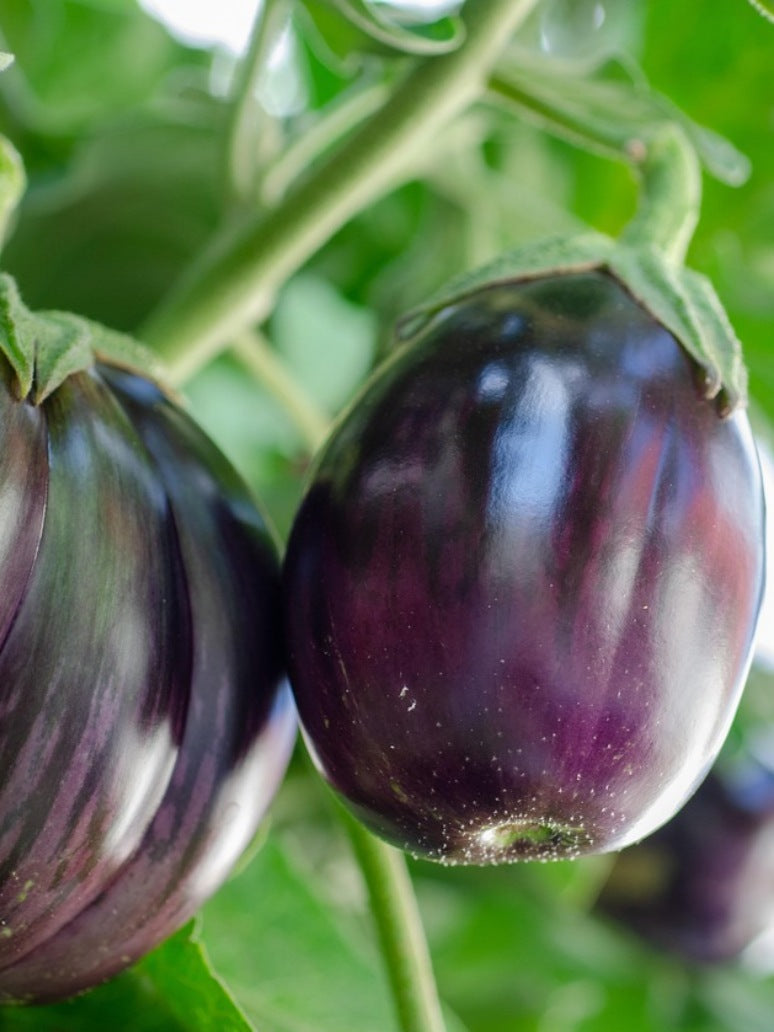
Brinjal Big Round Purple-Hybrid Seeds

Brinjal Big Round Purple-Hybrid Seeds

Regular price ₹45.00
Regular price Sale price ₹45.00
Sale Sold out
Taxes included. Shipping calculated at checkout.
Quantity

Seed Pack Contains- 65+ Seeds

Brinjal Big Round Purple – Hybrid Seeds | Grow Large Purple Brinjal at Home

Brinjal Big Round Purple Hybrid Seeds – Productive Eggplant Variety for Indian Gardens

  • Brinjal Big Round Purple Hybrid Seeds are an excellent choice for gardeners and growers looking to cultivate attractive, large, round purple brinjals. Brinjal is one of the most popular warm-season vegetables in India and can be grown successfully in kitchen gardens, terrace gardens, balcony gardens, grow bags, pots, raised beds, backyards, and open fields.
  • The plants produce large, round fruits with an attractive purple appearance. Brinjal is a versatile vegetable used in a wide range of Indian dishes, including baingan bharta, stuffed brinjal, curries, bhaji, sambar, roasted brinjal, and mixed vegetable preparations.
  • As these are hybrid seeds, they are selected to provide desirable characteristics such as uniform plant growth and fruit quality. However, seeds saved from hybrid fruits may not reproduce the same characteristics in the next generation, so fresh hybrid seed is generally recommended for each crop.
  • If you are looking for Big Round Purple Brinjal Seeds online in India, hybrid brinjal seeds for home gardening, large purple eggplant seeds, or round brinjal seeds for grow bags, this variety can be a useful addition to your vegetable garden.

Why Choose Brinjal Big Round Purple Hybrid Seeds?

  • Brinjal is a popular crop for both home gardeners and commercial growers because it can produce fruits over an extended harvesting period when plants are healthy.

Large Round Purple Fruits

  • This type of brinjal is grown for its attractive large, round purple fruits, making it particularly appealing for fresh vegetable cultivation.

Suitable for Indian Growing Conditions

  • Brinjal is a warm-season crop and can be cultivated across many parts of India during suitable growing periods.

Good Choice for Home Gardens

You can grow brinjal in:

  • Kitchen gardens
  • Backyard gardens
  • Terrace gardens
  • Balcony gardens
  • Pots
  • Grow bags
  • Raised beds
  • Open fields

Versatile Vegetable

  • Fresh brinjal can be used in numerous Indian recipes, making it a useful crop for a home vegetable garden.

Hybrid Seed

  • Hybrid seeds are developed by crossing selected parent lines to obtain desirable characteristics. For consistent crop characteristics, growers should use fresh seed rather than saving seed from hybrid fruits.

Best Time to Sow Brinjal Big Round Purple Seeds in India

Brinjal is a warm-season vegetable crop. The ideal sowing time varies according to region and local climate.

Region Recommended Sowing Period
North India January–March and June–August
Central India January–March and June–September
East India January–March and June–September
West India January–April and July–September
South India Almost year-round in suitable conditions
Hill Regions March–May and June–July

For many parts of northern India, January–March and June–August can provide suitable planting windows.

  • Avoid transplanting during periods of severe cold or extreme heat whenever possible.

Different Names of Brinjal

Brinjal is known by different names across India.

  • English: Brinjal / Eggplant / Aubergine
  • Hindi: बैंगन
  • Bengali: বেগুন
  • Marathi: वांगी
  • Gujarati: રીંગણ
  • Tamil: கத்திரிக்காய்
  • Telugu: వంకాయ
  • Kannada: ಬದನೆಕಾಯಿ
  • Malayalam: വഴുതനങ്ങ
  • Punjabi: ਬੈਂਗਣ
  • Scientific name: Solanum melongena

For online searches, useful keywords include Brinjal Big Round Purple, Big Round Brinjal Seeds, Purple Eggplant Seeds, Hybrid Brinjal Seeds, and Brinjal Seeds Online India.

Nutritional Benefits of Brinjal

  • Brinjal can be included as part of a varied and balanced diet.

It provides:

  • Dietary fibre
  • Potassium
  • Folate
  • Vitamin B6
  • Vitamin C
  • Vitamin K
  • Manganese
  • Various plant compounds and antioxidants
  • The nutritional content varies according to variety, maturity, cooking method, and serving size.

Popular Uses of Big Round Purple Brinjal

  • Fresh brinjal can be used in many Indian and international dishes.

Popular uses include:

  • Baingan bharta
  • Stuffed brinjal
  • Brinjal curry
  • Brinjal bhaji
  • Sambar
  • Roasted brinjal
  • Fried brinjal
  • Brinjal masala
  • Mixed vegetable curry
  • Grilled eggplant
  • Brinjal pickle
  • Stir-fried vegetables

Large round fruits can be particularly useful for recipes where larger slices or stuffing are preferred.

Where Can You Grow Brinjal Big Round Purple?

This brinjal variety can be grown in:

  • Home vegetable gardens
  • Kitchen gardens
  • Terrace gardens
  • Balcony gardens
  • Raised beds
  • Large pots
  • Grow bags
  • Backyard gardens
  • Open agricultural fields

For container gardening, use a sufficiently large container because mature brinjal plants need adequate root space.

How to Grow Brinjal Big Round Purple from Hybrid Seeds

  • Growing brinjal is generally straightforward when the crop is provided with warm conditions, fertile soil, and adequate sunlight.

Step 1: Prepare the Seedling Bed

  • Start seeds in a seed tray, nursery bed, or small containers filled with a fine, well-drained growing medium.

Step 2: Sow the Seeds

  • Sow seeds approximately 0.5–1 cm deep and cover them lightly with fine growing medium.
  • Avoid burying the seeds too deeply.

Step 3: Maintain Moisture

  • Keep the growing medium evenly moist but never waterlogged.
  • Use a fine spray to avoid disturbing the seeds.

Step 4: Transplant Healthy Seedlings

  • When seedlings have developed several healthy true leaves and are strong enough to handle transplantation, move them into their final containers or prepared garden beds.

Step 5: Provide Support if Required

  • As plants develop and carry large fruits, a stake may be useful to prevent branches from bending or breaking.

How Long Do Brinjal Big Round Purple Seeds Take to Germinate?

  • Under suitable warm conditions, brinjal seeds generally germinate within approximately 7–14 days.

Germination can vary depending on:

  • Temperature
  • Seed quality
  • Growing medium
  • Moisture
  • Sowing depth
  • Seed age
  • Warm conditions and consistent moisture generally encourage better germination.

When Should Brinjal Seedlings Be Transplanted?

  • Brinjal seedlings are generally ready for transplanting when they have developed several true leaves and have established a healthy root system.
  • As a general guide, transplantation may take place approximately 25–40 days after sowing, depending on temperature and seedling growth.
  • Harden the seedlings gradually before moving them into the outdoor growing area.

Best Soil for Growing Brinjal Big Round Purple

  • Brinjal performs well in fertile, loose, well-drained soil rich in organic matter.
  • Before planting, incorporate well-decomposed compost or farmyard manure into the soil.

For containers, a suitable mix can contain:

  • 40% garden soil
  • 30% compost or vermicompost
  • 20% cocopeat
  • 10% sand or another drainage-improving material
  • The soil should retain enough moisture while allowing excess water to drain freely.

Ideal Soil pH for Brinjal

  • Brinjal generally performs well in soil with a pH of approximately 5.5–7.0.
  • A slightly acidic to neutral soil with good drainage is suitable for healthy root development.

How Much Sunlight Does Brinjal Need?

  • Brinjal is a sun-loving vegetable and generally requires approximately 6–8 hours of direct sunlight per day.

Adequate sunlight supports:

  • Strong plant growth
  • Flower production
  • Fruit development
  • Better overall plant health

Avoid heavily shaded locations.

Water Requirement for Brinjal

  • Brinjal requires regular moisture, especially during flowering and fruit development.

During Seedling Growth

  • Keep the growing medium moderately moist.

After Transplanting

  • Water thoroughly and allow the plant to establish.

During Flowering

  • Maintain consistent soil moisture and avoid severe drying.

During Fruit Development

  • Regular watering is particularly important because moisture stress can affect fruit development.

Important Watering Tips

  • Water at the base of the plant.
  • Avoid prolonged waterlogging.
  • Do not allow plants to repeatedly wilt.
  • Increase watering during hot, dry periods.
  • Mulch around plants to conserve moisture.

Best Pot Size for Growing Brinjal Big Round Purple

  • Brinjal plants need adequate root space.
  • For container gardening, use approximately 20–30 litres or larger per plant.
  • For large-fruited varieties, a larger container can provide better root space and stability.
  • Always ensure that the container has several drainage holes.

Brinjal Big Round Purple Plant Spacing

For open-field or garden-bed cultivation, approximately:

  • 45–60 cm plant-to-plant spacing
  • 60–90 cm row-to-row spacing
  • can be used as a general starting point.
  • Actual spacing should be adjusted according to the hybrid's growth habit, soil fertility, climate, and cultivation system.

How to Fertilize Brinjal Big Round Purple Plants

  • Brinjal benefits from fertile soil and regular nutrition during its long growing period.

Before planting:

  • Add well-decomposed compost or farmyard manure.

During plant growth:

  • Apply compost around the plant.
  • Use a balanced vegetable fertilizer when required.
  • Provide adequate potassium during flowering and fruit development.
  • Avoid excessive nitrogen because it may promote excessive foliage at the expense of fruit production.

Always follow the fertilizer manufacturer's recommended dosage.

How to Grow Brinjal Faster and Healthier

For healthy brinjal plants:

  • Use good-quality hybrid seeds.
  • Start seedlings in a clean growing medium.
  • Transplant healthy seedlings.
  • Provide 6–8 hours of sunlight.
  • Use fertile, well-drained soil.
  • Maintain consistent moisture.
  • Feed plants appropriately.
  • Maintain proper spacing.
  • Monitor pests regularly.
  • Harvest fruits at the appropriate stage.

Does Brinjal Need Support?

Large-fruited brinjal plants may benefit from staking.

A bamboo stick, wooden stake, or other suitable support can help:

  • Keep branches upright

  • Support heavy fruits

  • Prevent branches from bending

  • Improve airflow

  • Make harvesting easier

Install the stake early to avoid damaging the roots later.


When to Harvest Brinjal Big Round Purple?

Brinjal should generally be harvested when fruits have reached their desired marketable size but are still young, tender, glossy, and firm.

Depending on the hybrid and growing conditions, the first harvest may begin approximately 60–90 days after transplanting.

Actual harvest time varies according to:

  • Variety

  • Climate

  • Seedling age

  • Soil fertility

  • Temperature

  • Plant health

  • Growing conditions


How to Harvest Big Round Purple Brinjal

Use a sharp knife or garden scissors to cut the fruit along with a small portion of the stalk.

Avoid pulling fruits forcefully because this can damage the branches.

Regular harvesting encourages the plant to continue flowering and producing additional fruits.


How to Increase Brinjal Yield

For better production:

  • Use healthy hybrid seeds.

  • Transplant strong seedlings.

  • Provide full sunlight.

  • Maintain fertile soil.

  • Water consistently.

  • Use balanced nutrition.

  • Encourage pollinating insects.

  • Monitor pests early.

  • Remove severely damaged leaves.

  • Harvest fruits regularly.

  • Keep weeds under control.


Does Brinjal Need Pollination?

Brinjal flowers are generally self-pollinating, although insects can help improve pollen movement.

Good pollination supports proper fruit development.

If flowers are dropping without fruit formation, check:

  • Temperature

  • Plant nutrition

  • Water stress

  • Pest problems

  • Overall plant health

Gentle shaking of plants in the morning can sometimes help distribute pollen in container-grown plants where insect activity is limited.


Can Brinjal Big Round Purple Be Grown in Pots?

Yes. Brinjal is well suited to container gardening.

Use a 20–30 litre or larger pot/grow bag per plant, provide good drainage, full sunlight, fertile soil, and regular watering.

Large containers are particularly helpful for varieties producing larger fruits.


Can Brinjal Be Grown on a Balcony?

Yes. Brinjal can be grown on a sunny balcony.

For balcony cultivation:

  • Choose a large container.

  • Provide at least 6–8 hours of sunlight.

  • Use fertile soil.

  • Water regularly.

  • Provide support if the plant becomes heavy.

  • Check regularly for pests.


Can Brinjal Be Grown on a Terrace?

Yes. Brinjal is an excellent vegetable for terrace gardens.

Large grow bags can provide sufficient root space while allowing you to grow fresh brinjals even without a traditional garden.


Tips for Growing Brinjal in Grow Bags

For good results:

  • Use a 20–30 litre or larger grow bag.

  • Ensure excellent drainage.

  • Use fertile potting soil.

  • Grow one plant per appropriately sized container.

  • Provide full sunlight.

  • Water consistently.

  • Add compost periodically.

  • Stake the plant if necessary.

  • Harvest fruits regularly.


Common Pests That Affect Brinjal Plants

Brinjal can be affected by several common vegetable pests.

These include:

  • Brinjal shoot and fruit borer

  • Aphids

  • Whiteflies

  • Jassids

  • Thrips

  • Spider mites

  • Leaf-eating caterpillars

Regularly inspect young shoots, leaves, flowers, and fruits.

Early detection can make pest management easier.


Common Diseases of Brinjal

Some diseases that may affect brinjal include:

  • Damping-off

  • Bacterial wilt

  • Fusarium wilt

  • Phomopsis fruit and leaf spot

  • Cercospora leaf spot

  • Powdery mildew

  • Viral diseases

How to Reduce Disease Problems

  • Use healthy planting material.

  • Maintain good drainage.

  • Avoid excessive irrigation.

  • Provide proper plant spacing.

  • Remove severely diseased plant material.

  • Control weeds.

  • Practise crop rotation.

  • Avoid repeatedly planting brinjal or related crops in severely diseased soil.


Why Are My Brinjal Flowers Falling Without Fruits?

Flower drop can occur due to:

  • Extreme temperatures

  • Water stress

  • Poor nutrition

  • Excessive nitrogen

  • Pest infestation

  • Plant stress

  • Poor pollination

Maintain stable moisture, good nutrition, and suitable growing conditions.


Why Are My Brinjal Fruits Small?

Small fruits may be associated with:

  • Insufficient sunlight

  • Poor nutrition

  • Water stress

  • Pest damage

  • Excessive fruit load

  • Temperature stress

  • Poor plant health

Ensure adequate sunlight, nutrition, moisture, and pest management.


Why Are My Brinjal Fruits Turning Yellow?

Brinjal fruits can change colour as they become over-mature.

If fruits are supposed to remain purple but are turning yellow or losing their normal appearance prematurely, inspect the plant for:

  • Pest damage

  • Disease

  • Nutritional stress

  • Water stress

Harvest fruits at the recommended eating stage.


Why Are My Brinjal Leaves Turning Yellow?

Possible causes include:

  • Overwatering

  • Poor drainage

  • Nutrient deficiency

  • Pest infestation

  • Disease

  • Natural ageing of older leaves

Check the soil moisture and inspect both sides of leaves for insects.


Can Brinjal Big Round Purple Be Grown Organically?

Yes. Brinjal can be grown using organic gardening methods.

You can use:

  • Compost

  • Vermicompost

  • Mulching

  • Crop rotation

  • Physical pest removal

  • Pest monitoring

  • Biological pest-control methods

For edible crops, use only products approved for the intended crop and follow their label directions.


Can You Save Seeds from Brinjal Big Round Purple Hybrid Fruits?

You can collect seeds from a hybrid brinjal fruit, but the resulting plants may not reproduce the same characteristics as the original hybrid.

This is an important difference between hybrid and open-pollinated seeds.

If you want consistent characteristics such as fruit shape, size, colour, and plant performance, it is generally better to purchase fresh hybrid seeds for the next crop.


Frequently Asked Questions About Brinjal Big Round Purple Hybrid Seeds

1. What is Brinjal Big Round Purple?

Brinjal Big Round Purple is a brinjal/eggplant type grown for its large, round, purple fruits.

2. Are Brinjal Big Round Purple seeds hybrid?

Yes, the product described here is hybrid seed.

3. What is the best time to grow brinjal in India?

Brinjal is a warm-season crop. Depending on the region, suitable sowing windows commonly include January–March and June–September.

4. How long do brinjal seeds take to germinate?

Under suitable conditions, brinjal seeds generally germinate within approximately 7–14 days.

5. When should brinjal seedlings be transplanted?

Healthy seedlings can generally be transplanted approximately 25–40 days after sowing, depending on their growth and local conditions.

6. How long does Big Round Purple Brinjal take to produce fruits?

The first harvest may generally begin around 60–90 days after transplanting, depending on the hybrid and growing conditions.

7. Can I grow Big Round Purple Brinjal in pots?

Yes. Use a 20–30 litre or larger container for one plant and provide full sunlight.

8. What is the best pot size for brinjal?

A 20–30 litre or larger pot/grow bag per plant is a good choice, particularly for large-fruited plants.

9. How much sunlight does brinjal need?

Brinjal generally needs around 6–8 hours of direct sunlight daily.

10. What soil is best for growing brinjal?

Use fertile, loose, well-drained soil rich in organic matter, with a pH of approximately 5.5–7.0.

11. How often should I water brinjal plants?

Water regularly when the upper layer of soil begins to dry. Maintain consistent moisture, especially during flowering and fruit development, without creating waterlogged conditions.

12. Does brinjal need a trellis?

A trellis is generally not necessary, but staking can be useful for supporting branches carrying large fruits.

13. Can I grow Big Round Purple Brinjal on a terrace?

Yes. Large grow bags or containers can be used for terrace cultivation.

14. Can I grow brinjal on a balcony?

Yes, provided the balcony receives sufficient sunlight and has enough space for a large container.

15. Why are my brinjal flowers falling?

Extreme temperatures, water stress, poor nutrition, pests, and plant stress can contribute to flower drop.

16. Why are my brinjal leaves turning yellow?

Overwatering, poor drainage, nutrient deficiency, pests, and diseases can all cause yellow leaves.

17. How can I increase brinjal production?

Use healthy seedlings, provide full sunlight, maintain fertile soil and consistent moisture, feed plants appropriately, control pests, and harvest fruits regularly.

18. What are the common pests of brinjal?

Common pests include brinjal shoot and fruit borer, aphids, whiteflies, jassids, thrips, spider mites, and caterpillars.

19. Can Big Round Purple Brinjal be grown organically?

Yes. Compost, mulching, crop rotation, pest monitoring, physical control, and suitable biological methods can be incorporated into an organic gardening system.

20. Can I save seeds from hybrid brinjal?

Seeds can be collected, but plants grown from saved hybrid seed may not retain the same fruit characteristics as the original hybrid.

21. Can beginners grow Big Round Purple Brinjal?

Yes. With proper sunlight, fertile soil, regular watering, and pest monitoring, brinjal can be a rewarding crop for beginners.

22. What fertilizer is best for brinjal?

Compost or well-decomposed organic manure is useful for improving soil fertility. A balanced vegetable fertilizer can also be used according to label directions.

23. How do I grow brinjal from hybrid seeds?

Start seeds in a nursery or seed tray, transplant healthy seedlings after they are established, provide full sunlight, fertile soil, regular moisture, and adequate spacing.

24. Why should I buy Brinjal Big Round Purple Hybrid Seeds?

These seeds are suitable for gardeners and growers looking to cultivate large, round, purple brinjals for home consumption, kitchen gardens, containers, grow bags, and field cultivation.


Brinjal Big Round Purple Growing Guide at a Glance

Growing Requirement Recommended Condition
Crop Type Fruiting vegetable
Seed Type Hybrid
Scientific Name Solanum melongena
Best Season Warm season
Germination Approximately 7–14 days
Transplanting Approximately 25–40 days after sowing
First Harvest Approximately 60–90 days after transplanting
Sunlight About 6–8 hours
Soil pH Approximately 5.5–7.0
Sowing Depth 0.5–1 cm
Plant Spacing Approximately 45–60 cm
Row Spacing Approximately 60–90 cm
Container Size 20–30 litres or larger
Watering Regular, consistent moisture
Support Staking may be beneficial
Growth Habit Bushy/branching
Fruit Type Large, round, purple
Suitable For Pots, grow bags, beds, terraces & fields

Final Thoughts on Brinjal Big Round Purple Hybrid Seeds

If you are looking for Brinjal Big Round Purple Hybrid Seeds for home gardening or vegetable cultivation, this variety can be a good choice for growing attractive purple brinjals in suitable warm conditions.

Brinjal performs best when given full sunlight, fertile and well-drained soil, consistent moisture, adequate nutrition, and regular pest monitoring. Large containers also make it possible to grow brinjal successfully on terraces and balconies.

For the best results, start seeds in a nursery, transplant healthy seedlings at the appropriate stage, provide enough space for plant development, and harvest fruits while they are still young, glossy, and tender.

Buy Brinjal Big Round Purple Hybrid Seeds Online

Choose Brinjal Big Round Purple Hybrid Seeds for your next vegetable-growing project and grow fresh purple brinjals in your home garden, kitchen garden, terrace, balcony, grow bags, pots, or open field.

Perfect for: Home Gardening | Kitchen Gardening | Terrace Gardening | Balcony Gardening | Grow Bags | Vegetable Gardens | Hybrid Vegetable Seeds | Open-Field Cultivation


SEO Setup for Your Product Page

Primary Keyword

Brinjal Big Round Purple Hybrid Seeds

Secondary Long-Tail Keywords

  • Big Round Purple Brinjal Seeds

  • Big Round Brinjal Hybrid Seeds

  • Purple Brinjal Hybrid Seeds

  • Brinjal Seeds Online India

  • Buy Brinjal Seeds Online

  • Brinjal Hybrid Seeds Online

  • Eggplant Seeds Online India

  • Large Purple Eggplant Seeds

  • Round Purple Brinjal Seeds

  • Brinjal Seeds for Home Gardening

  • Brinjal Seeds for Kitchen Garden

  • Brinjal Seeds for Terrace Garden

  • Brinjal Seeds for Balcony Garden

  • Brinjal Seeds for Grow Bags

  • How to Grow Brinjal from Seeds

  • How to Grow Brinjal in India

  • Brinjal Plant Care

  • Big Round Brinjal Growing Guide

  • Best Time to Grow Brinjal in India

  • How to Grow Brinjal in Pots

  • How to Grow Eggplant in Grow Bags

  • Purple Eggplant Seeds for Home Garden

  • Large Brinjal Seeds for Vegetable Garden

  • Hybrid Brinjal Seeds for Home Garden

  • Vegetable Seeds Online India

Suggested URL Slug

brinjal-big-round-purple-hybrid-seeds

Suggested Meta Title

Brinjal Big Round Purple Hybrid Seeds | Buy Online India

Suggested Meta Description

Buy Brinjal Big Round Purple Hybrid Seeds online in India. Grow large purple brinjals in pots, grow bags, kitchen gardens, terraces, balconies and fields.

Suggested Image ALT Text

  • Brinjal Big Round Purple Hybrid Seeds

  • Big round purple brinjal growing on plant

  • Large purple eggplant fruit

  • Big round brinjal plant in garden

  • Purple brinjal growing in grow bag

  • Brinjal hybrid seeds for home gardening

  • Fresh round purple brinjal ready for harvest

rinjal Big Round Purple Hybrid Seeds – Productive Eggplant Variety for Indian Gardens


**Brinjal Big Round Purple Hybrid Seeds** are an excellent choice for gardeners and growers looking to cultivate attractive, large, round purple brinjals. Brinjal is one of the most popular warm-season vegetables in India and can be grown successfully in **kitchen gardens, terrace gardens, balcony gardens, grow bags, pots, raised beds, backyards, and open fields**.


The plants produce large, round fruits with an attractive purple appearance. Brinjal is a versatile vegetable used in a wide range of Indian dishes, including **baingan bharta, stuffed brinjal, curries, bhaji, sambar, roasted brinjal, and mixed vegetable preparations**.


As these are **hybrid seeds**, they are selected to provide desirable characteristics such as uniform plant growth and fruit quality. However, seeds saved from hybrid fruits may not reproduce the same characteristics in the next generation, so fresh hybrid seed is generally recommended for each crop.


If you are looking for **Big Round Purple Brinjal Seeds online in India**, **hybrid brinjal seeds for home gardening**, **large purple eggplant seeds**, or **round brinjal seeds for grow bags**, this variety can be a useful addition to your vegetable garden.


---


# Why Choose Brinjal Big Round Purple Hybrid Seeds?


Brinjal is a popular crop for both home gardeners and commercial growers because it can produce fruits over an extended harvesting period when plants are healthy.


## Large Round Purple Fruits


This type of brinjal is grown for its attractive **large, round purple fruits**, making it particularly appealing for fresh vegetable cultivation.


## Suitable for Indian Growing Conditions


Brinjal is a warm-season crop and can be cultivated across many parts of India during suitable growing periods.


## Good Choice for Home Gardens


You can grow brinjal in:


* Kitchen gardens

* Backyard gardens

* Terrace gardens

* Balcony gardens

* Pots

* Grow bags

* Raised beds

* Open fields


## Versatile Vegetable


Fresh brinjal can be used in numerous Indian recipes, making it a useful crop for a home vegetable garden.


## Hybrid Seed


Hybrid seeds are developed by crossing selected parent lines to obtain desirable characteristics. For consistent crop characteristics, growers should use fresh seed rather than saving seed from hybrid fruits.


---


# Best Time to Sow Brinjal Big Round Purple Seeds in India


Brinjal is a **warm-season vegetable crop**. The ideal sowing time varies according to region and local climate.


| Region | Recommended Sowing Period |

| ------------- | ---------------------------------------- |

| North India | January–March and June–August |

| Central India | January–March and June–September |

| East India | January–March and June–September |

| West India | January–April and July–September |

| South India | Almost year-round in suitable conditions |

| Hill Regions | March–May and June–July |


For many parts of northern India, **January–March and June–August** can provide suitable planting windows.


Avoid transplanting during periods of severe cold or extreme heat whenever possible.


---


# Different Names of Brinjal


Brinjal is known by different names across India.


* English: Brinjal / Eggplant / Aubergine

* Hindi: बैंगन

* Bengali: বেগুন

* Marathi: वांगी

* Gujarati: રીંગણ

* Tamil: கத்திரிக்காய்

* Telugu: వంకాయ

* Kannada: ಬದನೆಕಾಯಿ

* Malayalam: വഴുതനങ്ങ

* Punjabi: ਬੈਂਗਣ

* Scientific name: *Solanum melongena*


For online searches, useful keywords include **Brinjal Big Round Purple, Big Round Brinjal Seeds, Purple Eggplant Seeds, Hybrid Brinjal Seeds, and Brinjal Seeds Online India**.


---


# Nutritional Benefits of Brinjal


Brinjal can be included as part of a varied and balanced diet.


It provides:


* Dietary fibre

* Potassium

* Folate

* Vitamin B6

* Vitamin C

* Vitamin K

* Manganese

* Various plant compounds and antioxidants


The nutritional content varies according to variety, maturity, cooking method, and serving size.


---


# Popular Uses of Big Round Purple Brinjal


Fresh brinjal can be used in many Indian and international dishes.


Popular uses include:


* Baingan bharta

* Stuffed brinjal

* Brinjal curry

* Brinjal bhaji

* Sambar

* Roasted brinjal

* Fried brinjal

* Brinjal masala

* Mixed vegetable curry

* Grilled eggplant

* Brinjal pickle

* Stir-fried vegetables


Large round fruits can be particularly useful for recipes where larger slices or stuffing are preferred.


---


# Where Can You Grow Brinjal Big Round Purple?


This brinjal variety can be grown in:


* Home vegetable gardens

* Kitchen gardens

* Terrace gardens

* Balcony gardens

* Raised beds

* Large pots

* Grow bags

* Backyard gardens

* Open agricultural fields


For container gardening, use a sufficiently large container because mature brinjal plants need adequate root space.


---


# How to Grow Brinjal Big Round Purple from Hybrid Seeds


Growing brinjal is generally straightforward when the crop is provided with warm conditions, fertile soil, and adequate sunlight.


## Step 1: Prepare the Seedling Bed


Start seeds in a seed tray, nursery bed, or small containers filled with a fine, well-drained growing medium.


## Step 2: Sow the Seeds


Sow seeds approximately **0.5–1 cm deep** and cover them lightly with fine growing medium.


Avoid burying the seeds too deeply.


## Step 3: Maintain Moisture


Keep the growing medium evenly moist but never waterlogged.


Use a fine spray to avoid disturbing the seeds.


## Step 4: Transplant Healthy Seedlings


When seedlings have developed several healthy true leaves and are strong enough to handle transplantation, move them into their final containers or prepared garden beds.


## Step 5: Provide Support if Required


As plants develop and carry large fruits, a stake may be useful to prevent branches from bending or breaking.


---


# How Long Do Brinjal Big Round Purple Seeds Take to Germinate?


Under suitable warm conditions, brinjal seeds generally germinate within approximately **7–14 days**.


Germination can vary depending on:


* Temperature

* Seed quality

* Growing medium

* Moisture

* Sowing depth

* Seed age


Warm conditions and consistent moisture generally encourage better germination.


---


# When Should Brinjal Seedlings Be Transplanted?


Brinjal seedlings are generally ready for transplanting when they have developed several true leaves and have established a healthy root system.


As a general guide, transplantation may take place approximately **25–40 days after sowing**, depending on temperature and seedling growth.


Harden the seedlings gradually before moving them into the outdoor growing area.


---


# Best Soil for Growing Brinjal Big Round Purple


Brinjal performs well in **fertile, loose, well-drained soil rich in organic matter**.


Before planting, incorporate well-decomposed compost or farmyard manure into the soil.


For containers, a suitable mix can contain:


* 40% garden soil

* 30% compost or vermicompost

* 20% cocopeat

* 10% sand or another drainage-improving material


The soil should retain enough moisture while allowing excess water to drain freely.


---


# Ideal Soil pH for Brinjal


Brinjal generally performs well in soil with a pH of approximately **5.5–7.0**.


A slightly acidic to neutral soil with good drainage is suitable for healthy root development.


---


# How Much Sunlight Does Brinjal Need?


Brinjal is a sun-loving vegetable and generally requires approximately **6–8 hours of direct sunlight per day**.


Adequate sunlight supports:


* Strong plant growth

* Flower production

* Fruit development

* Better overall plant health


Avoid heavily shaded locations.


---


# Water Requirement for Brinjal


Brinjal requires regular moisture, especially during flowering and fruit development.


### During Seedling Growth


Keep the growing medium moderately moist.


### After Transplanting


Water thoroughly and allow the plant to establish.


### During Flowering


Maintain consistent soil moisture and avoid severe drying.


### During Fruit Development


Regular watering is particularly important because moisture stress can affect fruit development.


### Important Watering Tips


* Water at the base of the plant.

* Avoid prolonged waterlogging.

* Do not allow plants to repeatedly wilt.

* Increase watering during hot, dry periods.

* Mulch around plants to conserve moisture.


---


# Best Pot Size for Growing Brinjal Big Round Purple


Brinjal plants need adequate root space.


For container gardening, use approximately **20–30 litres or larger per plant**.


For large-fruited varieties, a larger container can provide better root space and stability.


Always ensure that the container has several drainage holes.


---


# Brinjal Big Round Purple Plant Spacing


For open-field or garden-bed cultivation, approximately:


* **45–60 cm plant-to-plant spacing**

* **60–90 cm row-to-row spacing**


can be used as a general starting point.


Actual spacing should be adjusted according to the hybrid's growth habit, soil fertility, climate, and cultivation system.


---


# How to Fertilize Brinjal Big Round Purple Plants


Brinjal benefits from fertile soil and regular nutrition during its long growing period.


Before planting:


* Add well-decomposed compost or farmyard manure.


During plant growth:


* Apply compost around the plant.

* Use a balanced vegetable fertilizer when required.

* Provide adequate potassium during flowering and fruit development.

* Avoid excessive nitrogen because it may promote excessive foliage at the expense of fruit production.


Always follow the fertilizer manufacturer's recommended dosage.


---


# How to Grow Brinjal Faster and Healthier


For healthy brinjal plants:


1. Use good-quality hybrid seeds.

2. Start seedlings in a clean growing medium.

3. Transplant healthy seedlings.

4. Provide 6–8 hours of sunlight.

5. Use fertile, well-drained soil.

6. Maintain consistent moisture.

7. Feed plants appropriately.

8. Maintain proper spacing.

9. Monitor pests regularly.

10. Harvest fruits at the appropriate stage.


---


# Does Brinjal Need Support?


Large-fruited brinjal plants may benefit from staking.


A bamboo stick, wooden stake, or other suitable support can help:


* Keep branches upright

* Support heavy fruits

* Prevent branches from bending

* Improve airflow

* Make harvesting easier


Install the stake early to avoid damaging the roots later.


---


# When to Harvest Brinjal Big Round Purple?


Brinjal should generally be harvested when fruits have reached their desired marketable size but are still **young, tender, glossy, and firm**.


Depending on the hybrid and growing conditions, the first harvest may begin approximately **60–90 days after transplanting**.


Actual harvest time varies according to:


* Variety

* Climate

* Seedling age

* Soil fertility

* Temperature

* Plant health

* Growing conditions


---


# How to Harvest Big Round Purple Brinjal


Use a sharp knife or garden scissors to cut the fruit along with a small portion of the stalk.


Avoid pulling fruits forcefully because this can damage the branches.


Regular harvesting encourages the plant to continue flowering and producing additional fruits.


---


# How to Increase Brinjal Yield


For better production:


* Use healthy hybrid seeds.

* Transplant strong seedlings.

* Provide full sunlight.

* Maintain fertile soil.

* Water consistently.

* Use balanced nutrition.

* Encourage pollinating insects.

* Monitor pests early.

* Remove severely damaged leaves.

* Harvest fruits regularly.

* Keep weeds under control.


---


# Does Brinjal Need Pollination?


Brinjal flowers are generally **self-pollinating**, although insects can help improve pollen movement.


Good pollination supports proper fruit development.


If flowers are dropping without fruit formation, check:


* Temperature

* Plant nutrition

* Water stress

* Pest problems

* Overall plant health


Gentle shaking of plants in the morning can sometimes help distribute pollen in container-grown plants where insect activity is limited.


---


# Can Brinjal Big Round Purple Be Grown in Pots?


Yes. Brinjal is well suited to container gardening.


Use a **20–30 litre or larger pot/grow bag per plant**, provide good drainage, full sunlight, fertile soil, and regular watering.


Large containers are particularly helpful for varieties producing larger fruits.


---


# Can Brinjal Be Grown on a Balcony?


Yes. Brinjal can be grown on a sunny balcony.


For balcony cultivation:


* Choose a large container.

* Provide at least 6–8 hours of sunlight.

* Use fertile soil.

* Water regularly.

* Provide support if the plant becomes heavy.

* Check regularly for pests.


---


# Can Brinjal Be Grown on a Terrace?


Yes. Brinjal is an excellent vegetable for terrace gardens.


Large grow bags can provide sufficient root space while allowing you to grow fresh brinjals even without a traditional garden.


---


# Tips for Growing Brinjal in Grow Bags


For good results:


* Use a 20–30 litre or larger grow bag.

* Ensure excellent drainage.

* Use fertile potting soil.

* Grow one plant per appropriately sized container.

* Provide full sunlight.

* Water consistently.

* Add compost periodically.

* Stake the plant if necessary.

* Harvest fruits regularly.


---


# Common Pests That Affect Brinjal Plants


Brinjal can be affected by several common vegetable pests.


These include:


* Brinjal shoot and fruit borer

* Aphids

* Whiteflies

* Jassids

* Thrips

* Spider mites

* Leaf-eating caterpillars


Regularly inspect young shoots, leaves, flowers, and fruits.


Early detection can make pest management easier.


---


# Common Diseases of Brinjal


Some diseases that may affect brinjal include:


* Damping-off

* Bacterial wilt

* Fusarium wilt

* Phomopsis fruit and leaf spot

* Cercospora leaf spot

* Powdery mildew

* Viral diseases


### How to Reduce Disease Problems


* Use healthy planting material.

* Maintain good drainage.

* Avoid excessive irrigation.

* Provide proper plant spacing.

* Remove severely diseased plant material.

* Control weeds.

* Practise crop rotation.

* Avoid repeatedly planting brinjal or related crops in severely diseased soil.


---


# Why Are My Brinjal Flowers Falling Without Fruits?


Flower drop can occur due to:


* Extreme temperatures

* Water stress

* Poor nutrition

* Excessive nitrogen

* Pest infestation

* Plant stress

* Poor pollination


Maintain stable moisture, good nutrition, and suitable growing conditions.


---


# Why Are My Brinjal Fruits Small?


Small fruits may be associated with:


* Insufficient sunlight

* Poor nutrition

* Water stress

* Pest damage

* Excessive fruit load

* Temperature stress

* Poor plant health


Ensure adequate sunlight, nutrition, moisture, and pest management.


---


# Why Are My Brinjal Fruits Turning Yellow?


Brinjal fruits can change colour as they become over-mature.


If fruits are supposed to remain purple but are turning yellow or losing their normal appearance prematurely, inspect the plant for:


* Pest damage

* Disease

* Nutritional stress

* Water stress


Harvest fruits at the recommended eating stage.


---


# Why Are My Brinjal Leaves Turning Yellow?


Possible causes include:


* Overwatering

* Poor drainage

* Nutrient deficiency

* Pest infestation

* Disease

* Natural ageing of older leaves


Check the soil moisture and inspect both sides of leaves for insects.


---


# Can Brinjal Big Round Purple Be Grown Organically?


Yes. Brinjal can be grown using organic gardening methods.


You can use:


* Compost

* Vermicompost

* Mulching

* Crop rotation

* Physical pest removal

* Pest monitoring

* Biological pest-control methods


For edible crops, use only products approved for the intended crop and follow their label directions.


---


# Can You Save Seeds from Brinjal Big Round Purple Hybrid Fruits?


You **can collect seeds from a hybrid brinjal fruit**, but the resulting plants may not reproduce the same characteristics as the original hybrid.


This is an important difference between **hybrid and open-pollinated seeds**.


If you want consistent characteristics such as fruit shape, size, colour, and plant performance, it is generally better to purchase fresh hybrid seeds for the next crop.


---


# Frequently Asked Questions About Brinjal Big Round Purple Hybrid Seeds


## 1. What is Brinjal Big Round Purple?


Brinjal Big Round Purple is a brinjal/eggplant type grown for its large, round, purple fruits.


## 2. Are Brinjal Big Round Purple seeds hybrid?


Yes, the product described here is **hybrid seed**.


## 3. What is the best time to grow brinjal in India?


Brinjal is a warm-season crop. Depending on the region, suitable sowing windows commonly include **January–March and June–September**.


## 4. How long do brinjal seeds take to germinate?


Under suitable conditions, brinjal seeds generally germinate within approximately **7–14 days**.


## 5. When should brinjal seedlings be transplanted?


Healthy seedlings can generally be transplanted approximately **25–40 days after sowing**, depending on their growth and local conditions.


## 6. How long does Big Round Purple Brinjal take to produce fruits?


The first harvest may generally begin around **60–90 days after transplanting**, depending on the hybrid and growing conditions.


## 7. Can I grow Big Round Purple Brinjal in pots?


Yes. Use a **20–30 litre or larger container** for one plant and provide full sunlight.


## 8. What is the best pot size for brinjal?


A **20–30 litre or larger pot/grow bag per plant** is a good choice, particularly for large-fruited plants.


## 9. How much sunlight does brinjal need?


Brinjal generally needs around **6–8 hours of direct sunlight daily**.


## 10. What soil is best for growing brinjal?


Use fertile, loose, well-drained soil rich in organic matter, with a pH of approximately **5.5–7.0**.


## 11. How often should I water brinjal plants?


Water regularly when the upper layer of soil begins to dry. Maintain consistent moisture, especially during flowering and fruit development, without creating waterlogged conditions.


## 12. Does brinjal need a trellis?


A trellis is generally not necessary, but staking can be useful for supporting branches carrying large fruits.


## 13. Can I grow Big Round Purple Brinjal on a terrace?


Yes. Large grow bags or containers can be used for terrace cultivation.


## 14. Can I grow brinjal on a balcony?


Yes, provided the balcony receives sufficient sunlight and has enough space for a large container.


## 15. Why are my brinjal flowers falling?


Extreme temperatures, water stress, poor nutrition, pests, and plant stress can contribute to flower drop.


## 16. Why are my brinjal leaves turning yellow?


Overwatering, poor drainage, nutrient deficiency, pests, and diseases can all cause yellow leaves.


## 17. How can I increase brinjal production?


Use healthy seedlings, provide full sunlight, maintain fertile soil and consistent moisture, feed plants appropriately, control pests, and harvest fruits regularly.


## 18. What are the common pests of brinjal?


Common pests include **brinjal shoot and fruit borer, aphids, whiteflies, jassids, thrips, spider mites, and caterpillars**.


## 19. Can Big Round Purple Brinjal be grown organically?


Yes. Compost, mulching, crop rotation, pest monitoring, physical control, and suitable biological methods can be incorporated into an organic gardening system.


## 20. Can I save seeds from hybrid brinjal?


Seeds can be collected, but plants grown from saved hybrid seed may not retain the same fruit characteristics as the original hybrid.


## 21. Can beginners grow Big Round Purple Brinjal?


Yes. With proper sunlight, fertile soil, regular watering, and pest monitoring, brinjal can be a rewarding crop for beginners.


## 22. What fertilizer is best for brinjal?


Compost or well-decomposed organic manure is useful for improving soil fertility. A balanced vegetable fertilizer can also be used according to label directions.


## 23. How do I grow brinjal from hybrid seeds?


Start seeds in a nursery or seed tray, transplant healthy seedlings after they are established, provide full sunlight, fertile soil, regular moisture, and adequate spacing.


## 24. Why should I buy Brinjal Big Round Purple Hybrid Seeds?


These seeds are suitable for gardeners and growers looking to cultivate **large, round, purple brinjals** for home consumption, kitchen gardens, containers, grow bags, and field cultivation.


---


# Brinjal Big Round Purple Growing Guide at a Glance


| Growing Requirement | Recommended Condition |

| ------------------- | -------------------------------------------- |

| Crop Type | Fruiting vegetable |

| Seed Type | Hybrid |

| Scientific Name | *Solanum melongena* |

| Best Season | Warm season |

| Germination | Approximately 7–14 days |

| Transplanting | Approximately 25–40 days after sowing |

| First Harvest | Approximately 60–90 days after transplanting |

| Sunlight | About 6–8 hours |

| Soil pH | Approximately 5.5–7.0 |

| Sowing Depth | 0.5–1 cm |

| Plant Spacing | Approximately 45–60 cm |

| Row Spacing | Approximately 60–90 cm |

| Container Size | 20–30 litres or larger |

| Watering | Regular, consistent moisture |

| Support | Staking may be beneficial |

| Growth Habit | Bushy/branching |

| Fruit Type | Large, round, purple |

| Suitable For | Pots, grow bags, beds, terraces & fields |


---


# Final Thoughts on Brinjal Big Round Purple Hybrid Seeds


If you are looking for **Brinjal Big Round Purple Hybrid Seeds for home gardening or vegetable cultivation**, this variety can be a good choice for growing attractive purple brinjals in suitable warm conditions.


Brinjal performs best when given **full sunlight, fertile and well-drained soil, consistent moisture, adequate nutrition, and regular pest monitoring**. Large containers also make it possible to grow brinjal successfully on terraces and balconies.


For the best results, start seeds in a nursery, transplant healthy seedlings at the appropriate stage, provide enough space for plant development, and harvest fruits while they are still young, glossy, and tender.


## Buy Brinjal Big Round Purple Hybrid Seeds Online


Choose **Brinjal Big Round Purple Hybrid Seeds** for your next vegetable-growing project and grow fresh purple brinjals in your **home garden, kitchen garden, terrace, balcony, grow bags, pots, or open field**.


**Perfect for:** Home Gardening | Kitchen Gardening | Terrace Gardening | Balcony Gardening | Grow Bags | Vegetable Gardens | Hybrid Vegetable Seeds | Open-Field Cultivation


View full details

GENERAL INFORMATIONS

Common Questions

Country of origin ?

India

What is the Shipping Cost ?

Your products are shipped based on option selected at the time of Checkout.

1. India Post Shipping = ₹37/-

2. Private Courier Shipping =₹67/-