
seedandplant
Asparagus Vegetable - Open Pollination Seeds
Asparagus Vegetable - Open Pollination Seeds
Couldn't load pickup availability
🌱 Asparagus Vegetable Seeds – Open Pollinated
Grow fresh Asparagus (Asparagus officinalis) in your home garden with these open-pollinated seeds. Asparagus is a perennial vegetable that can be grown in a suitable garden bed or a large, deep container with well-draining soil.
Because asparagus is a long-term crop, it needs adequate space and patience before regular harvesting begins.
📦 What Will You Get in the Pack?
- Product: Asparagus Vegetable Seeds
- Seed Type: Open Pollinated
- Seed Quantity: 30 Seeds
- Botanical Name: Asparagus officinalis
- Plant Type: Perennial Vegetable
- Suitable For: Garden Beds, Large Pots & Containers
🌿 About Asparagus
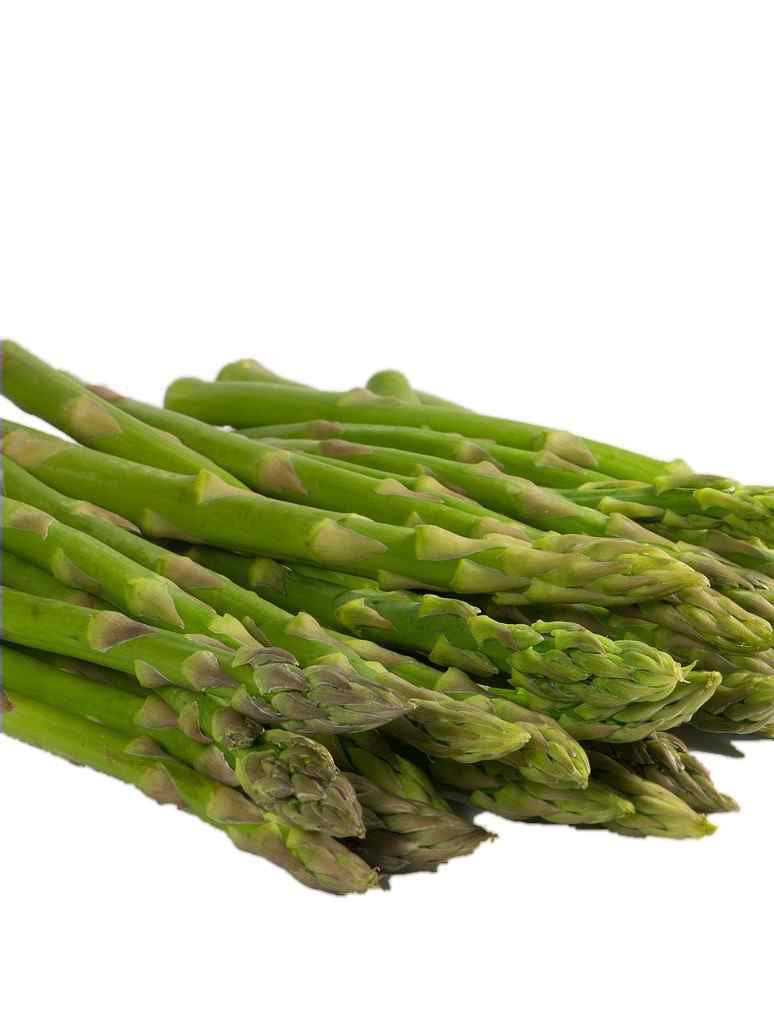
Asparagus is a perennial vegetable grown primarily for its young, tender shoots.
The plant develops an extensive underground root system and can remain productive for several years when grown under suitable conditions.
Because of its long-term growth habit, choose the planting location carefully before sowing.
🥗 Culinary Uses of Asparagus
Fresh asparagus shoots can be used in a variety of dishes.
They can be:
- Steamed
- Roasted
- Grilled
- Stir-fried
- Sautéed
- Added to salads
- Used in soups
- Added to pasta
- Combined with rice dishes
- Used in omelets and other recipes
Harvest young shoots while they are tender for cooking.
🌱 How to Grow Asparagus from Seeds
Growing asparagus from seed requires more patience than many annual vegetables, but it can be rewarding for long-term gardeners.
1. Choose the Right Location
Select a sunny, well-ventilated location.
Asparagus performs best when it receives plenty of sunlight.
A raised garden bed or a large outdoor container can be used when adequate growing space is available.
2. Prepare the Soil
Use fertile, loose and well-draining soil.
Before sowing, incorporate well-decomposed compost or other suitable organic matter.
Avoid areas where water remains stagnant.
3. Soak the Seeds
Soaking asparagus seeds in water before sowing can help soften the seed coat.
If you choose to soak the seeds, use clean water and sow them soon afterward.
4. Sow the Seeds
- Sow seeds approximately ½ inch deep.
- Cover lightly with soil.
- Water gently.
- Keep the soil evenly moist during germination.
- Avoid waterlogging.
🌱 Asparagus Seed Germination
Asparagus seeds generally take around 10–15 days to germinate under suitable warm conditions, although germination can take longer depending on temperature, moisture, seed quality and other growing conditions.
Keep the growing medium consistently moist but not soggy during this stage.
☀️ Sunlight Requirements
Asparagus grows best in full sunlight.
Provide approximately 6–8 hours of direct sunlight where possible.
The plant can tolerate some partial shade, but a sunny growing location is preferable for strong growth.
🌡️ Temperature
Asparagus seeds germinate best under suitable warm conditions.
Maintain an appropriate temperature and consistent soil moisture during germination.
Growing conditions vary considerably across India, so sowing should be adjusted according to your local climate.
🪴 Can Asparagus Be Grown in Pots?
Yes, asparagus can be grown in containers, but the container needs to provide sufficient space for its developing root system.
For container growing:
- Choose a large, deep container.
- Provide good drainage holes.
- Use fertile, well-draining soil.
- Place the container in a sunny location.
- Avoid overcrowding.
For long-term growth, a larger container is preferable to a small balcony pot.
🌱 Transplanting Asparagus Seedlings
If you start asparagus seeds in a nursery tray or small container, transplant the seedlings after they have become sufficiently established.
Transplant carefully to minimize root disturbance.
Choose the final planting location with enough room for the plant's long-term development.
🌿 Spacing for Asparagus
Asparagus requires more space than many common leafy vegetables because of its perennial growth habit.
For garden planting, provide approximately 2–3 feet between plants, depending on your growing system and available space.
For containers, grow fewer plants per container to avoid overcrowding.
💧 Watering Asparagus
During germination and early growth:
- Keep the soil evenly moist.
- Water gently.
- Check the soil regularly.
- Avoid excessive watering.
- Prevent waterlogging.
Once established, adjust watering according to soil moisture, weather and the growing environment.
🌱 Soil Requirements
Asparagus prefers fertile, well-draining soil.
A sandy-loam or loamy growing medium can be suitable.
For container growing, a mixture containing garden soil, compost and a drainage-supporting material can be used.
Maintain good drainage throughout the growing period.
🌿 Asparagus Plant Care
For healthy growth:
- Provide plenty of sunlight.
- Maintain good soil drainage.
- Water according to soil moisture.
- Remove weeds around the plants.
- Provide suitable organic matter or plant nutrition when required.
- Avoid damaging the developing roots.
- Monitor plants regularly for common garden pests and diseases.
✂️ Harvesting Asparagus
Asparagus is a long-term perennial crop, so it requires patience when grown from seed.
Plants generally need multiple growing seasons to become well established before regular harvesting.
Once plants are sufficiently mature, harvest young shoots when they are tender and approximately 6–8 inches tall, depending on their development.
Avoid heavy harvesting from young plants because they need time to establish a strong root system.
🌿 Long-Term Growing
One of the distinctive features of asparagus is that it can remain in the same planting location for several years.
Therefore:
- Choose the location carefully.
- Prepare the soil properly before planting.
- Provide adequate space.
- Maintain good drainage.
- Allow young plants sufficient time to establish before heavy harvesting.
🐛 Common Growing Problems
Asparagus can be affected by problems such as:
- Root rot
- Rust
- Fusarium-related diseases
- Aphids and other garden pests
Good cultivation practices can help reduce problems:
- Use well-draining soil.
- Avoid excessive watering.
- Maintain adequate plant spacing.
- Remove severely damaged plant material.
- Keep the growing area clean.
- Monitor plants regularly.
If a pest or disease problem develops, use a treatment appropriate for the specific problem and follow the product label instructions.
🇮🇳 Best Sowing Time in India
Growing conditions vary considerably between regions, so the ideal sowing period depends on your local temperature and climate.
For best results, sow when conditions are suitable for warm-season seed germination and young plant growth.
⭐ Why Grow Asparagus at Home?
- Perennial vegetable
- Can provide harvests for several years
- Suitable for dedicated garden beds
- Can be grown in large containers
- Interesting crop for home gardeners
- Young shoots can be harvested for cooking
- Suitable for long-term vegetable gardening
📋 Product Details
| Feature | Details |
|---|---|
| Product | Asparagus Vegetable Seeds |
| Botanical Name | Asparagus officinalis |
| Seed Type | Open Pollinated |
| Seed Quantity | 30 Seeds |
| Plant Type | Perennial Vegetable |
| Sunlight | Full Sun |
| Suitable For | Garden Beds & Large Containers |
| Germination | Approximately 10–15 Days* |
| Harvesting | After plants are sufficiently established |
*Germination time varies according to temperature, moisture, seed quality and growing conditions.
Important Note
Germination, plant growth and harvesting time depend on temperature, soil, moisture, sunlight, seed quality and other environmental conditions. Actual results may vary.
Share
Asparagus Vegetable - Open Pollination Seeds
GENERAL INFORMATIONS
Common Questions
Country of origin ?
India
What is the Shipping Cost ?
Your products are shipped based on option selected at the time of Checkout.
1. India Post Shipping = ₹49/-
2. Private Courier Shipping =₹69/-